Our most recent travels in September 2014 took us to the Mediterranean to explore four distinct yet exquisite locales: Istanbul, Turkey; Mykonos, Santorini, & Athens, Greece
September 14, 2014: Athens, Greece
The majority of this gorgeous Sunday was spent lounging on the beaches of Santorini (for full details – see A Mediterranean Excursion – part 3). We caught a late plane out of Santorini and arrived in the land of myth and legend. At the advice of a friend, who happens to be much more seasoned traveler, we used a private driver through Spiros Taxi Tours. Our driver did an awesome job welcoming us to the city and giving us great recommendations for our stay. We checked in to Hotel Periscope in the business district just north of the National Gardens. All tucked in after a restful day, we tackled Athens in the morning!
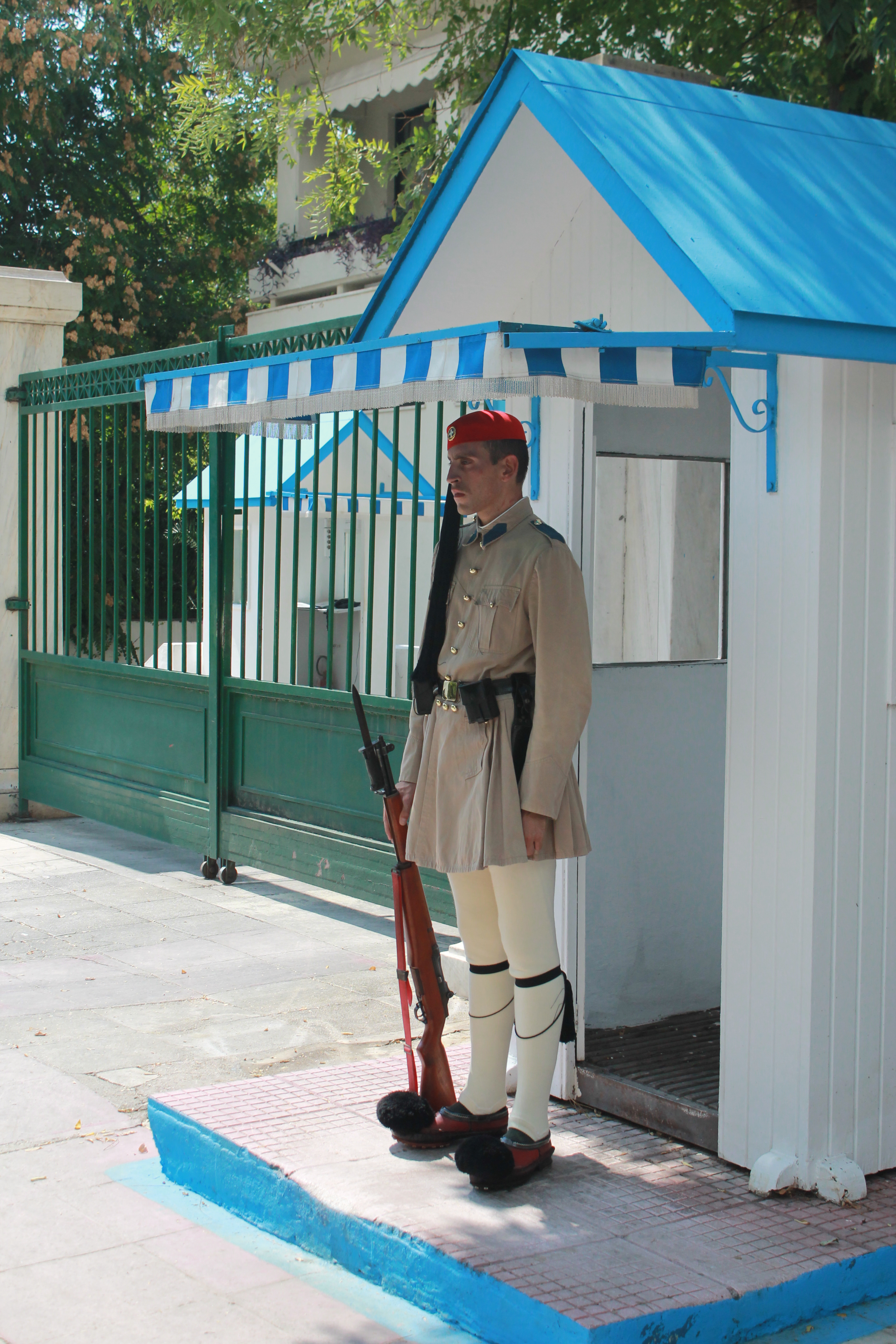
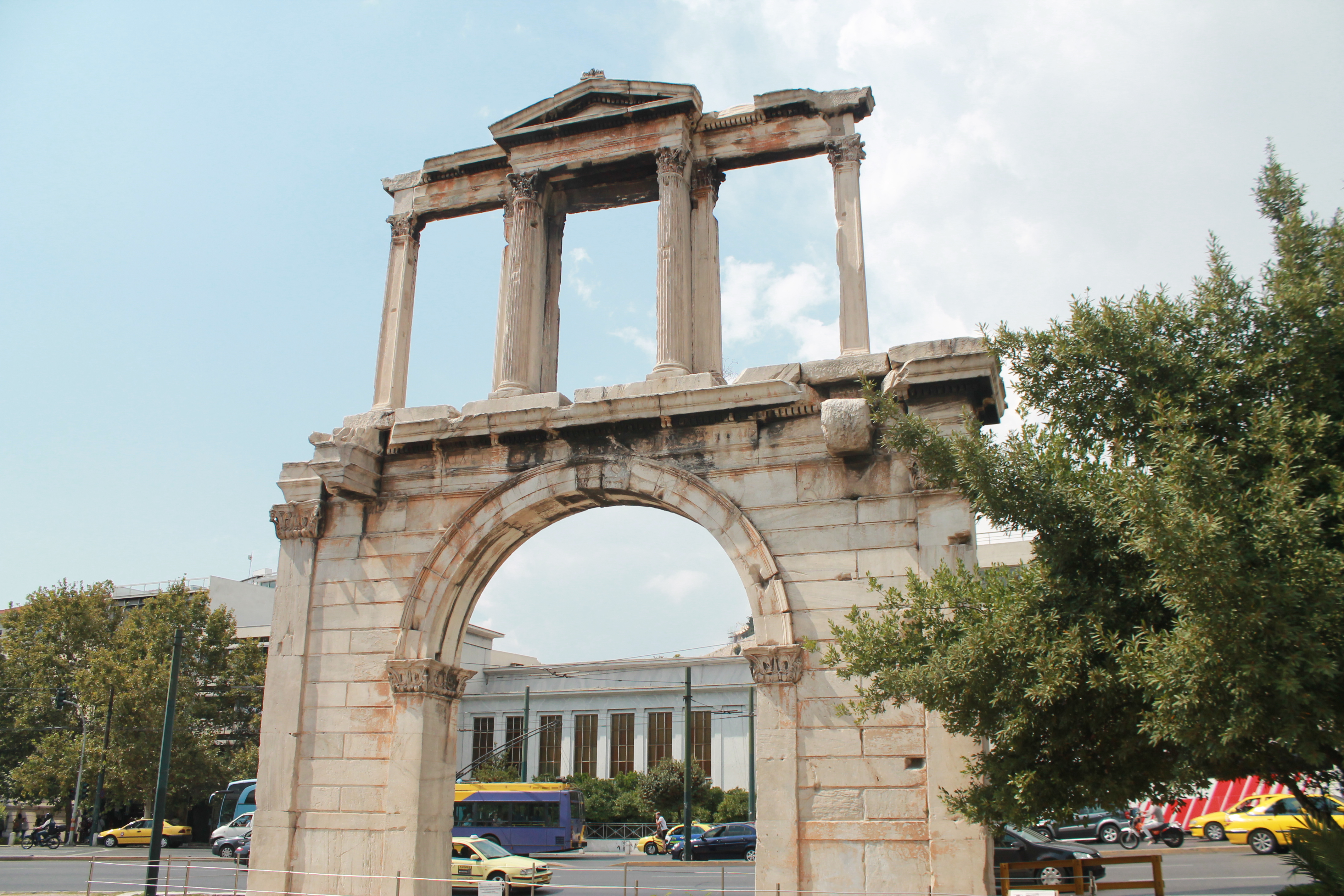
September 15, 2014: National Gardens, Hellenic Parliament, Temple of Zeus, Arch of Hadrian, Acropolis & Parthenon
Athens can be difficult to describe; the juxtaposition of modern and ancient both confuses and delights the eye. Seeing the magnitude and beauty of these buildings, which have withstood centuries somehow, saddens me when I compare it to the disposable nature of American society. Culture and legacy are passed down, not just for two to three generations, but for millennia. Walking through a bustling city can be tiring and overwhelming, so we left most of our exploring until the evening when most of the tourists were done promenading.

The Acropolis & Parthenon
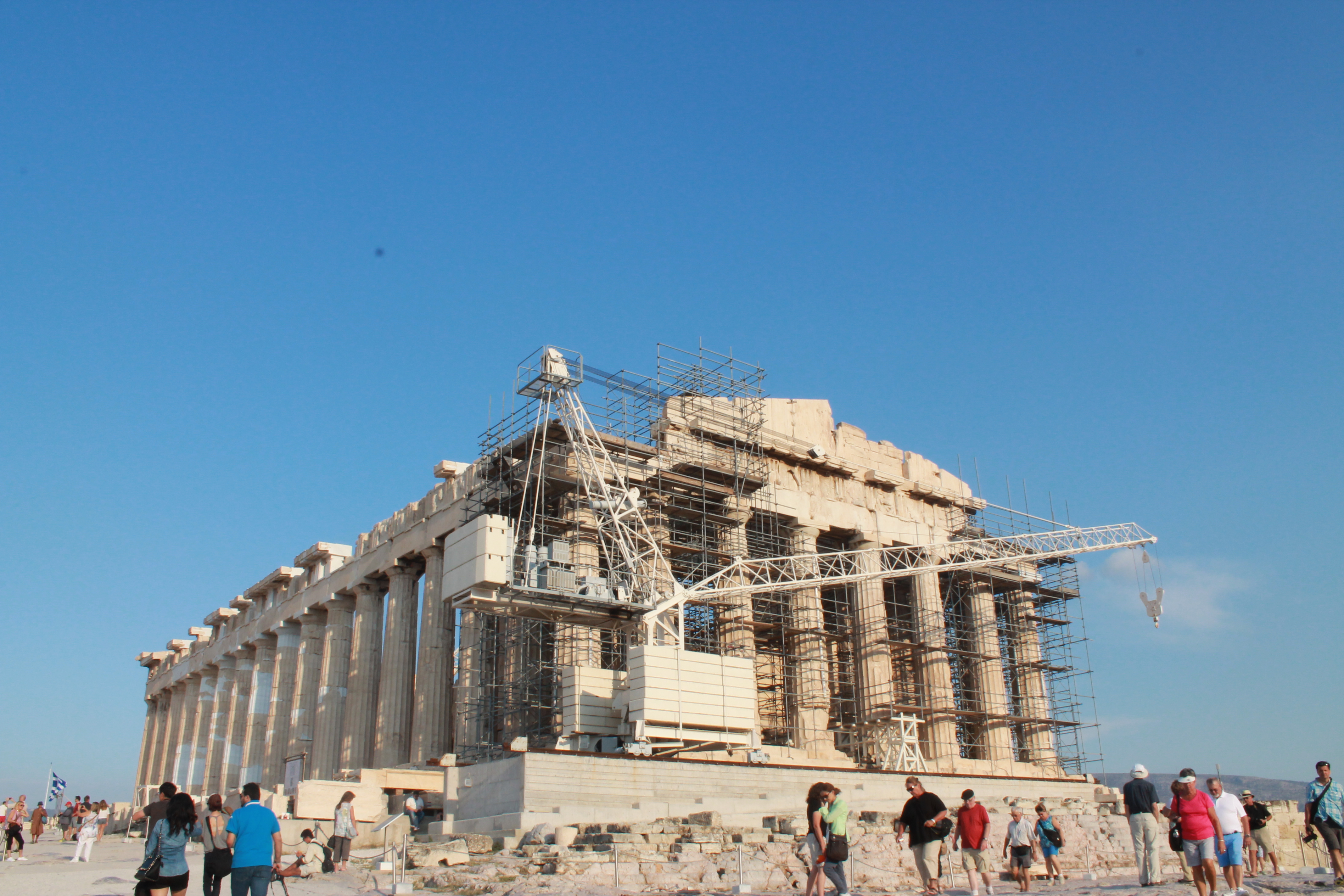
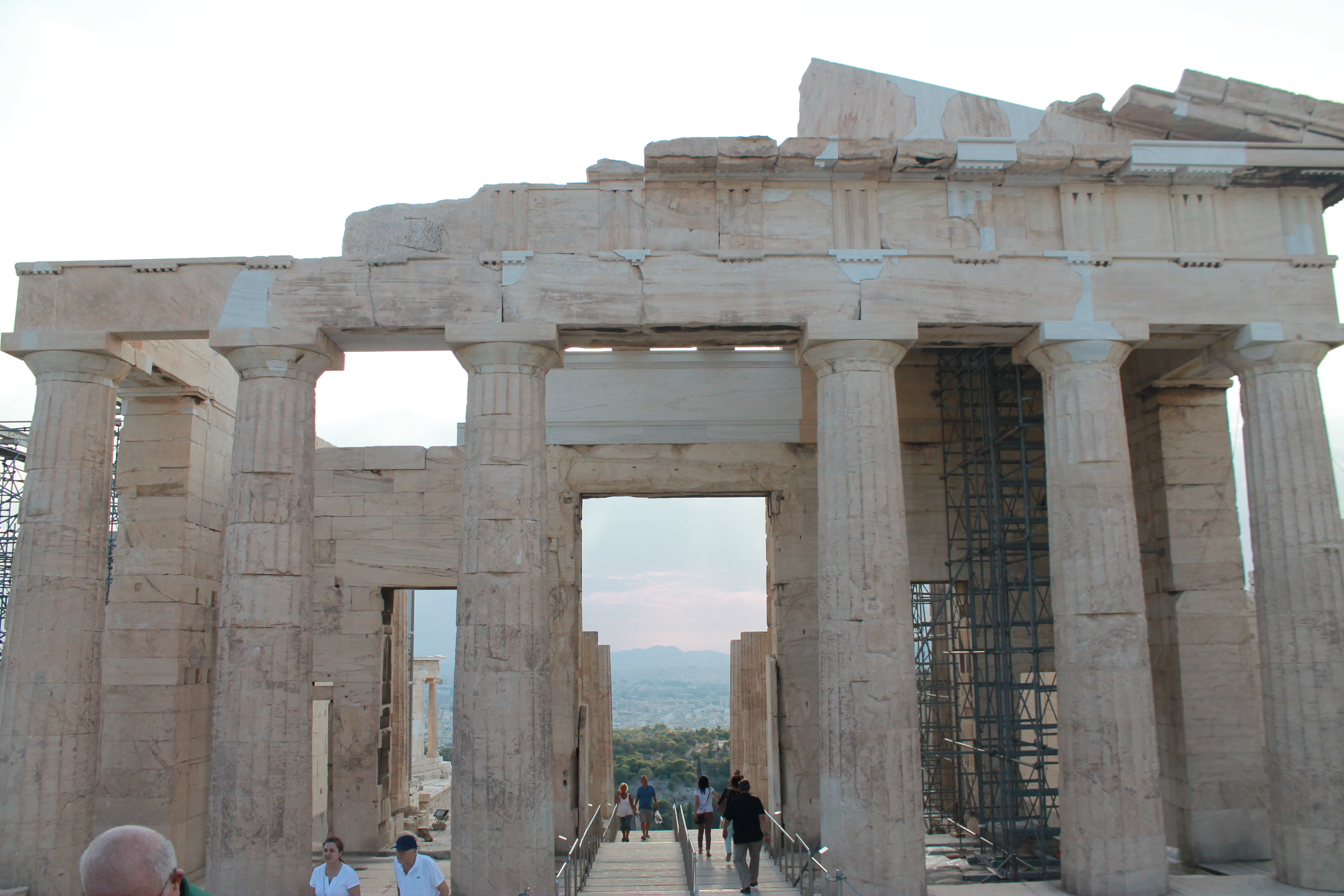

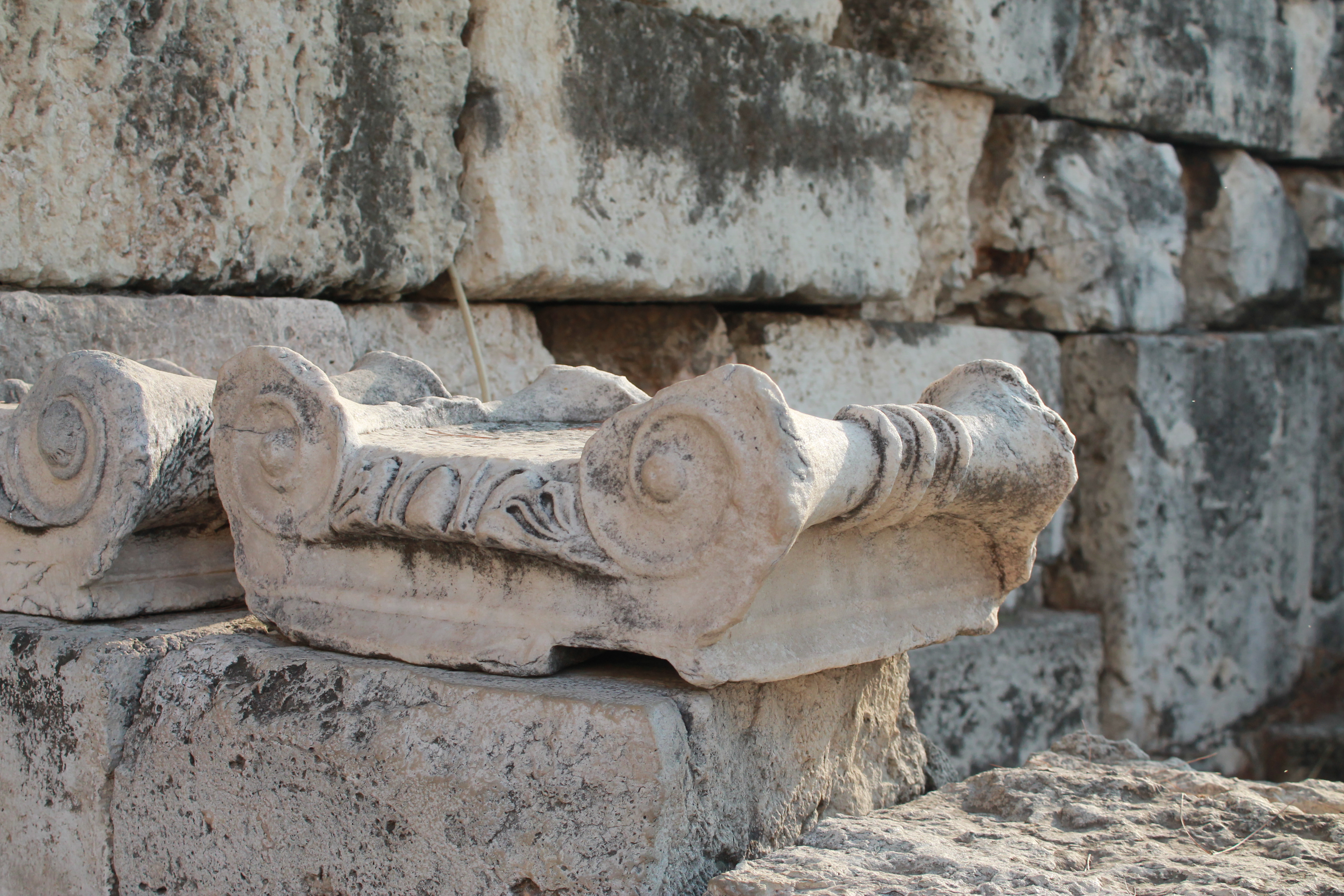

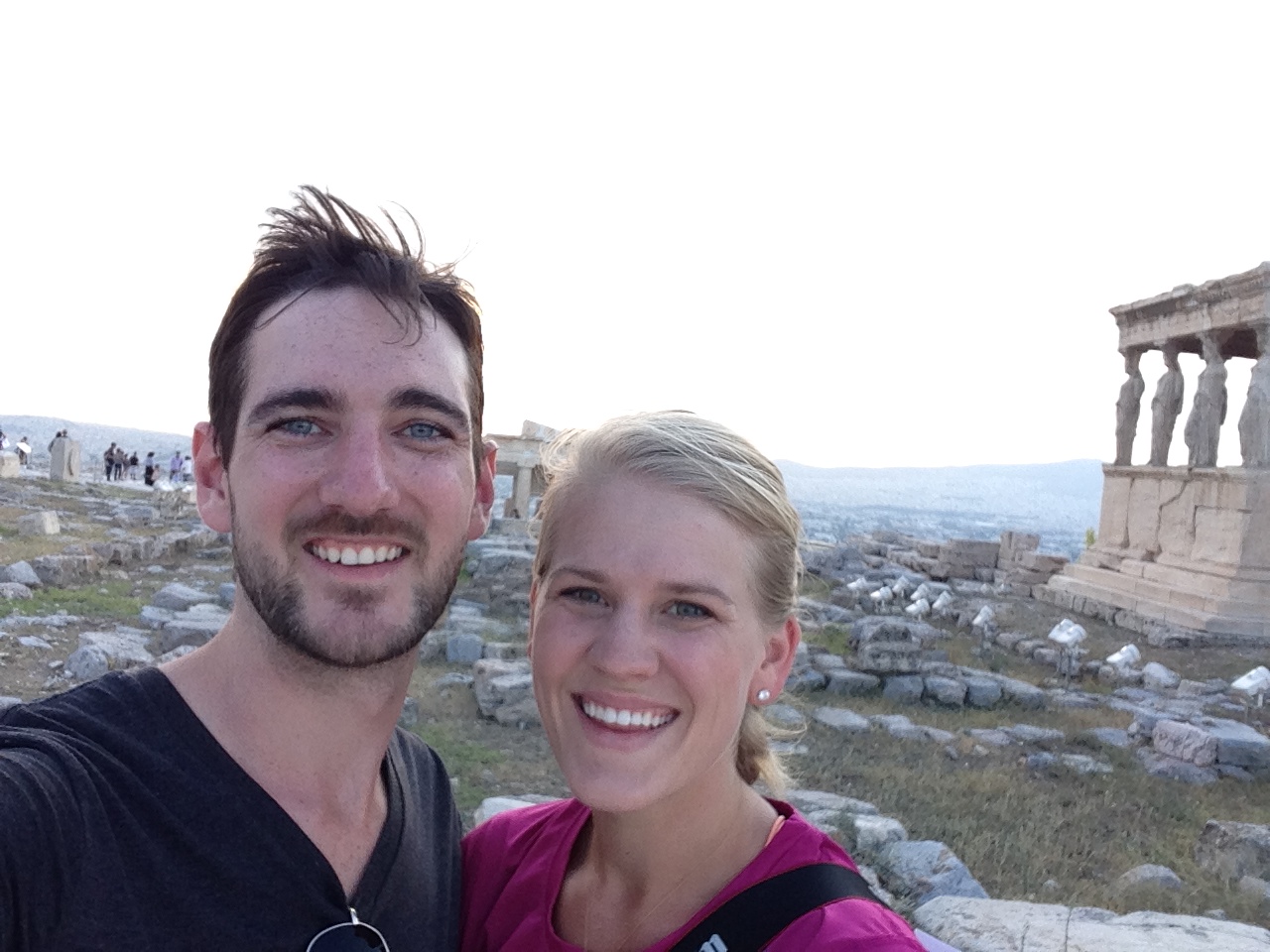

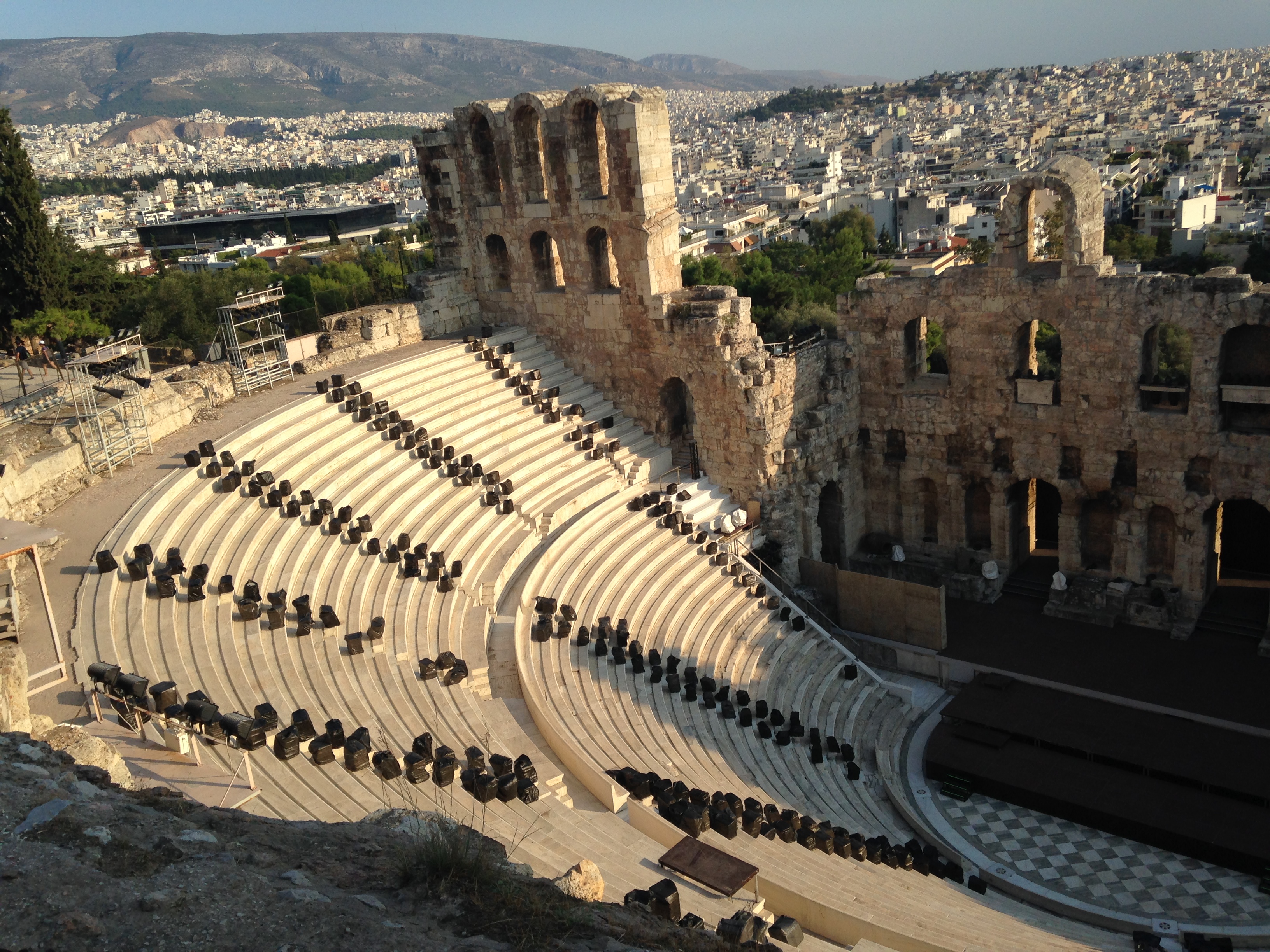
It was definitely worth it to shoot the Parthenon in the setting sun! Not only did the pictures turn out much better, it was definitely cooler and more enjoyable to explore the ruins without flocks of tourists.
September 16, 2014: Panathenaic Olympic stadium, National University and Library of Athens, National Archaeological Museum of Athens
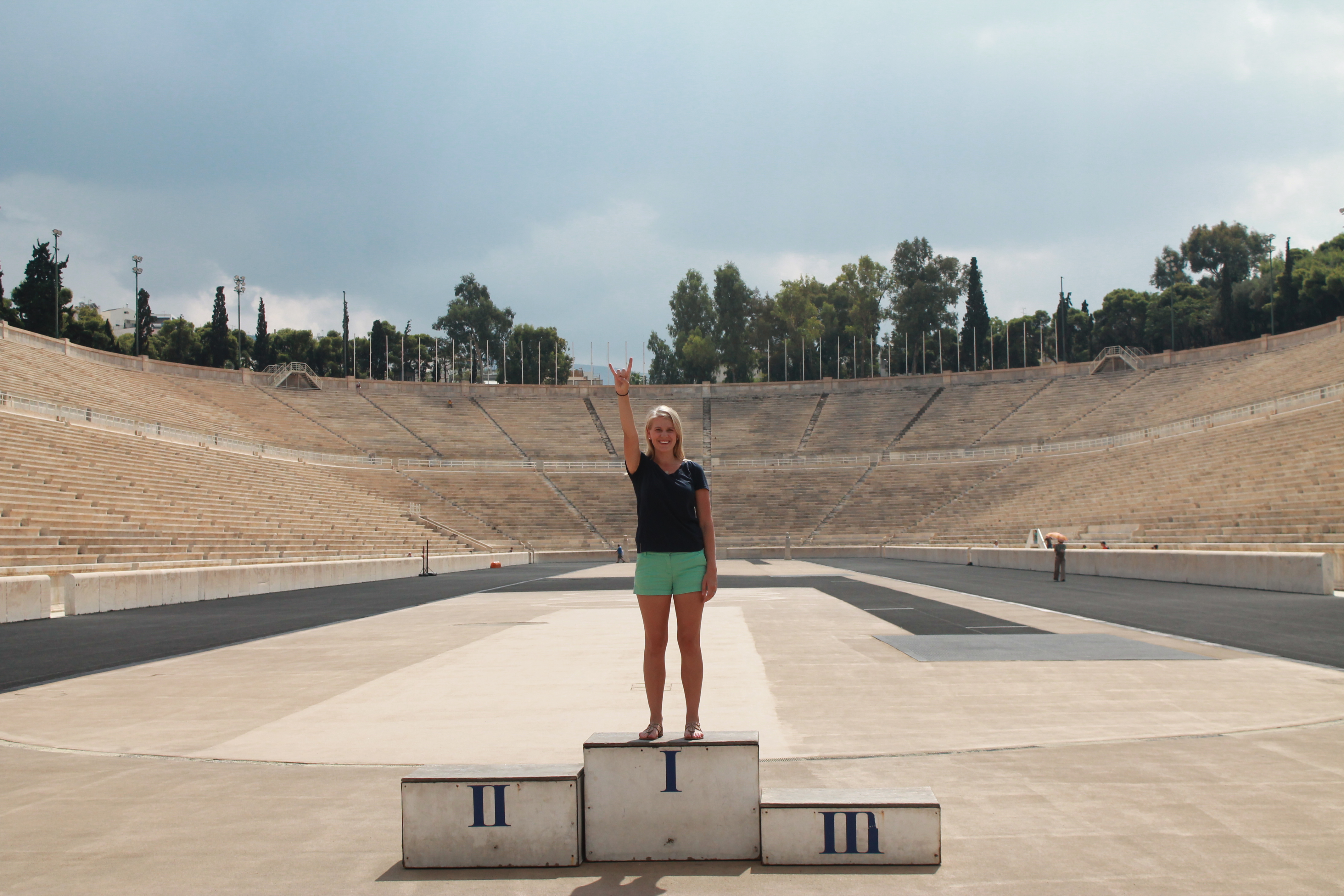
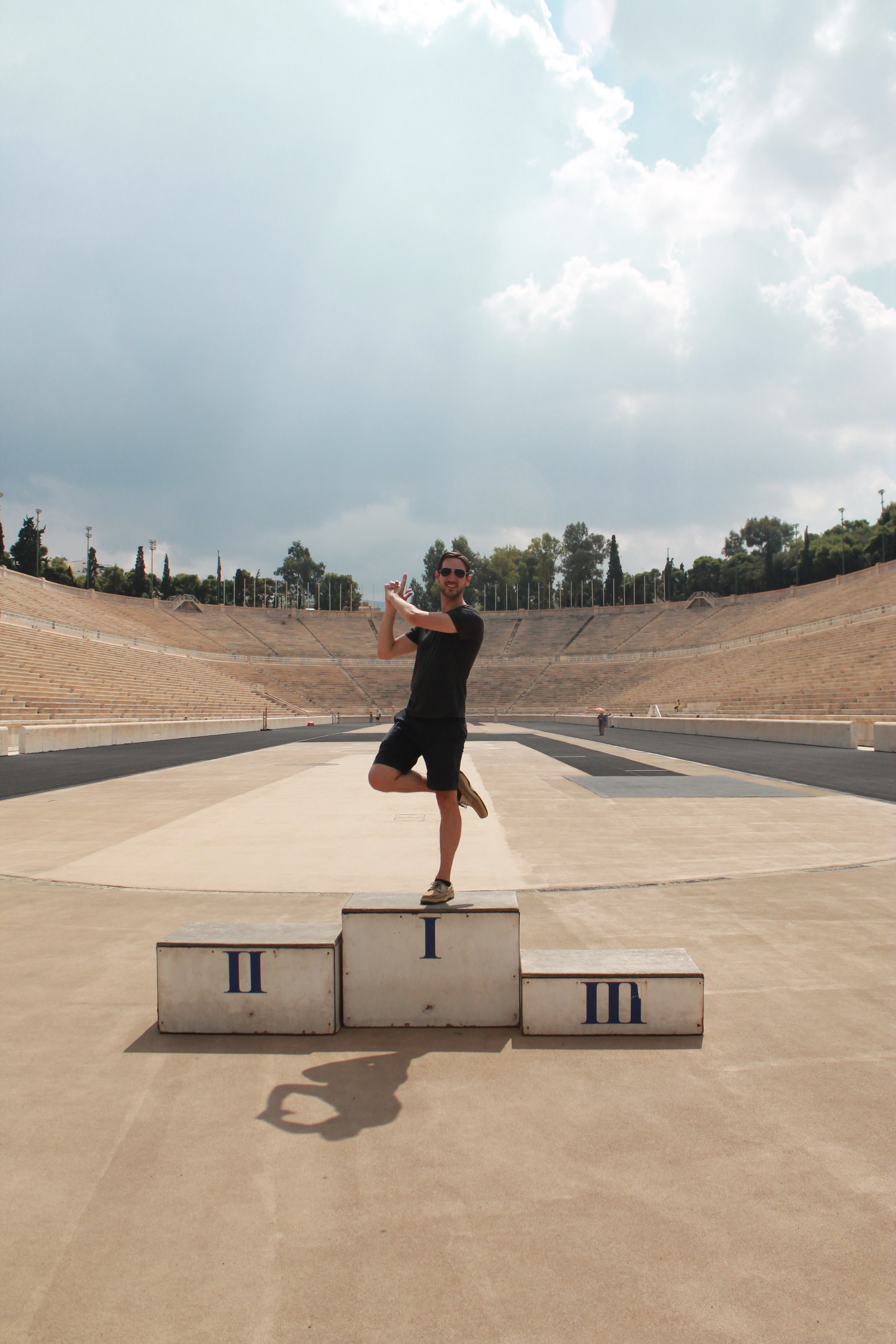
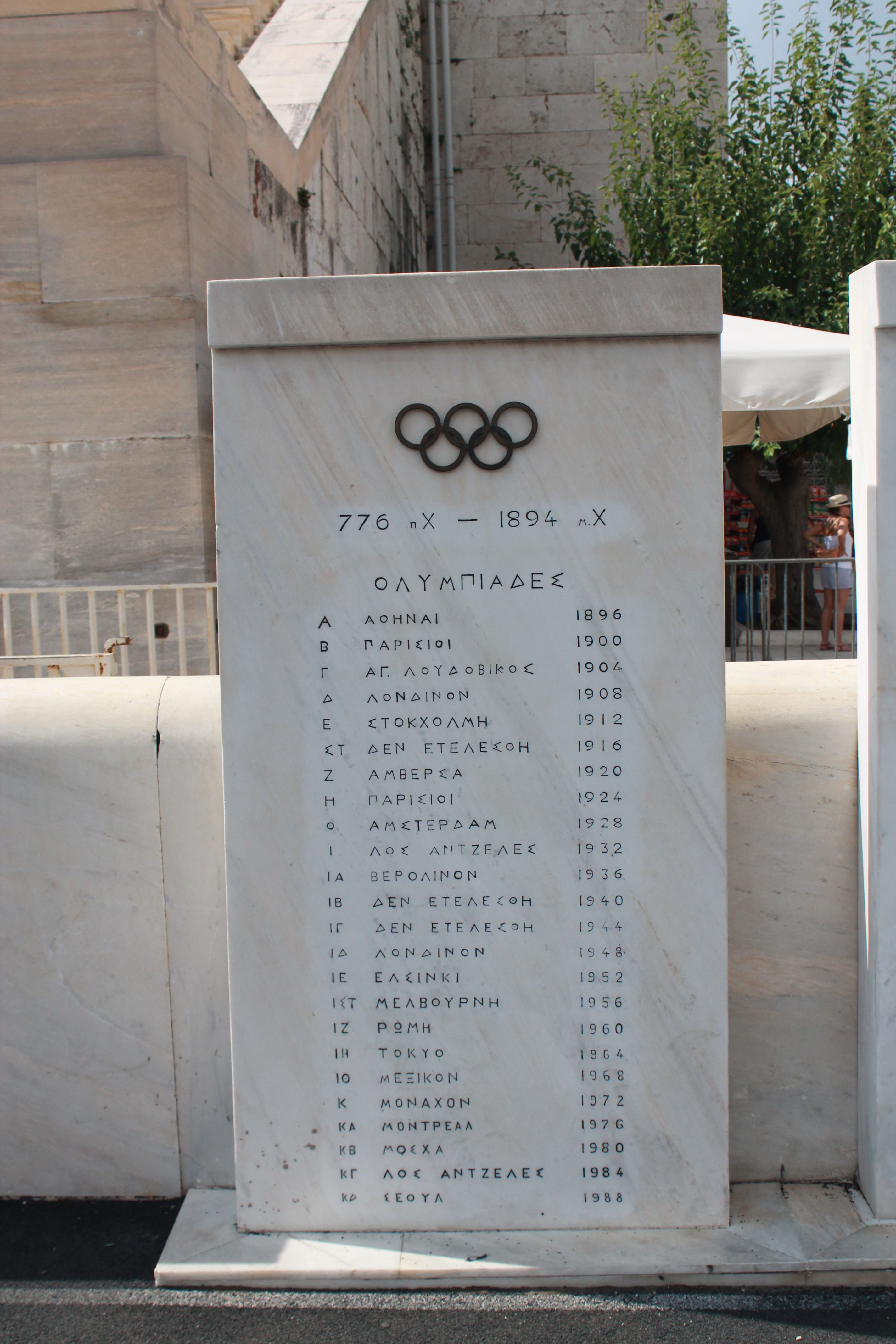
The Panathenaic Stadium held both the ancient and modern olympic games as we know them. The stadium was built of marble in 329 B.C. and later renovated for the first modern day olympics in the summer of 1896. The Olympic Torch Relay starts here at the lighting ceremony and is carried by athletes all around the world to the next games.


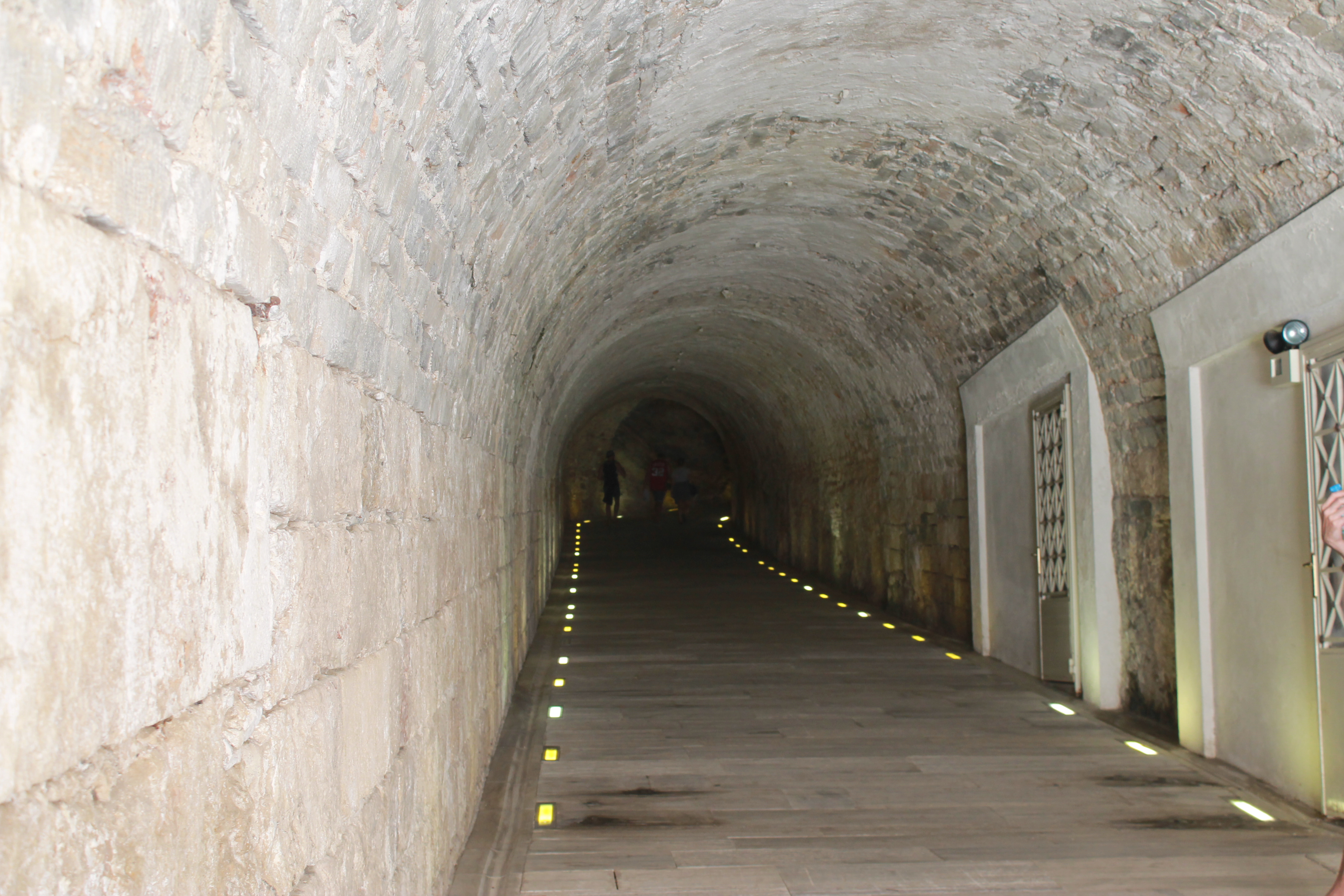 Seats of Honor Hair pin turns of the traditional track Athlete’s tunnel
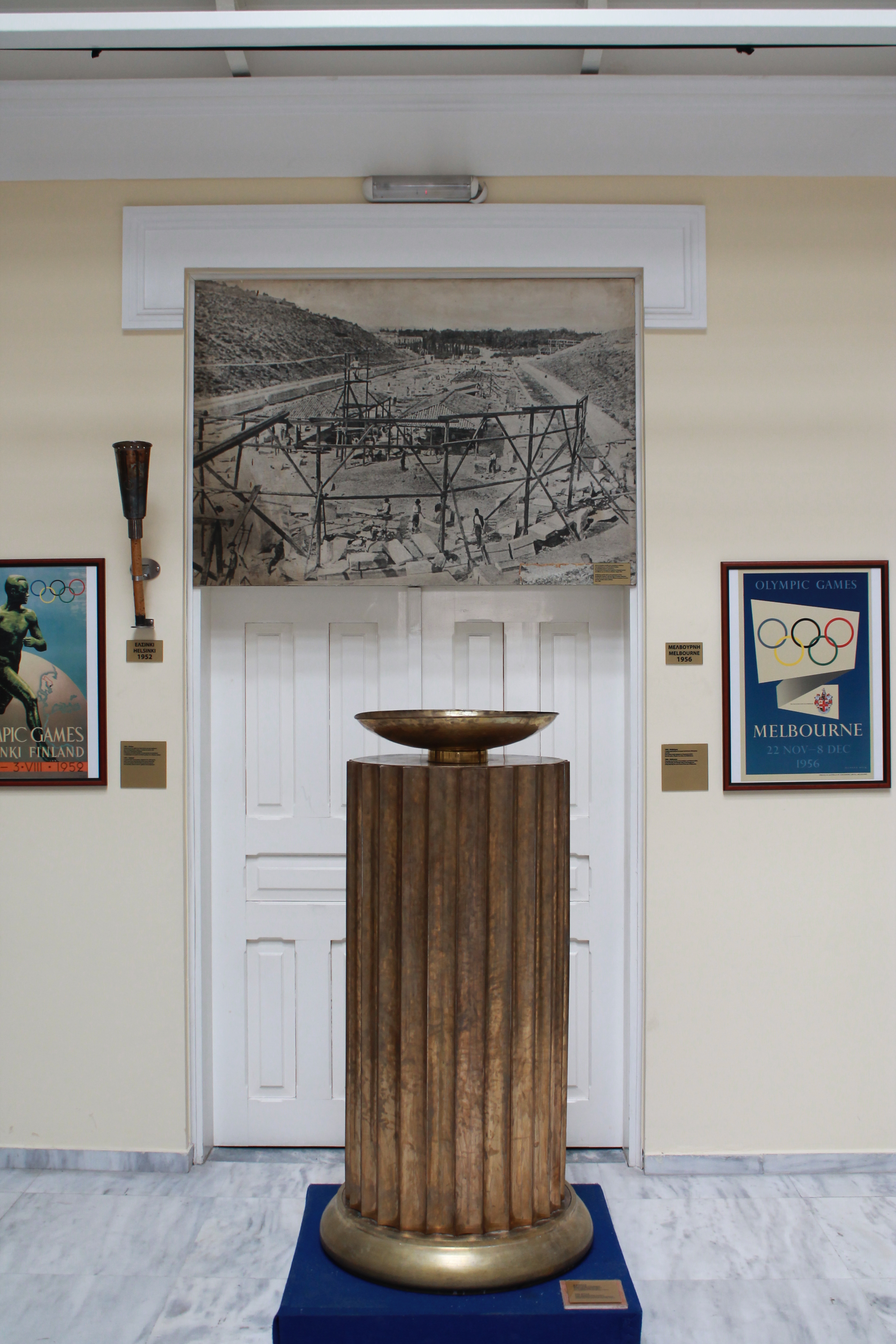

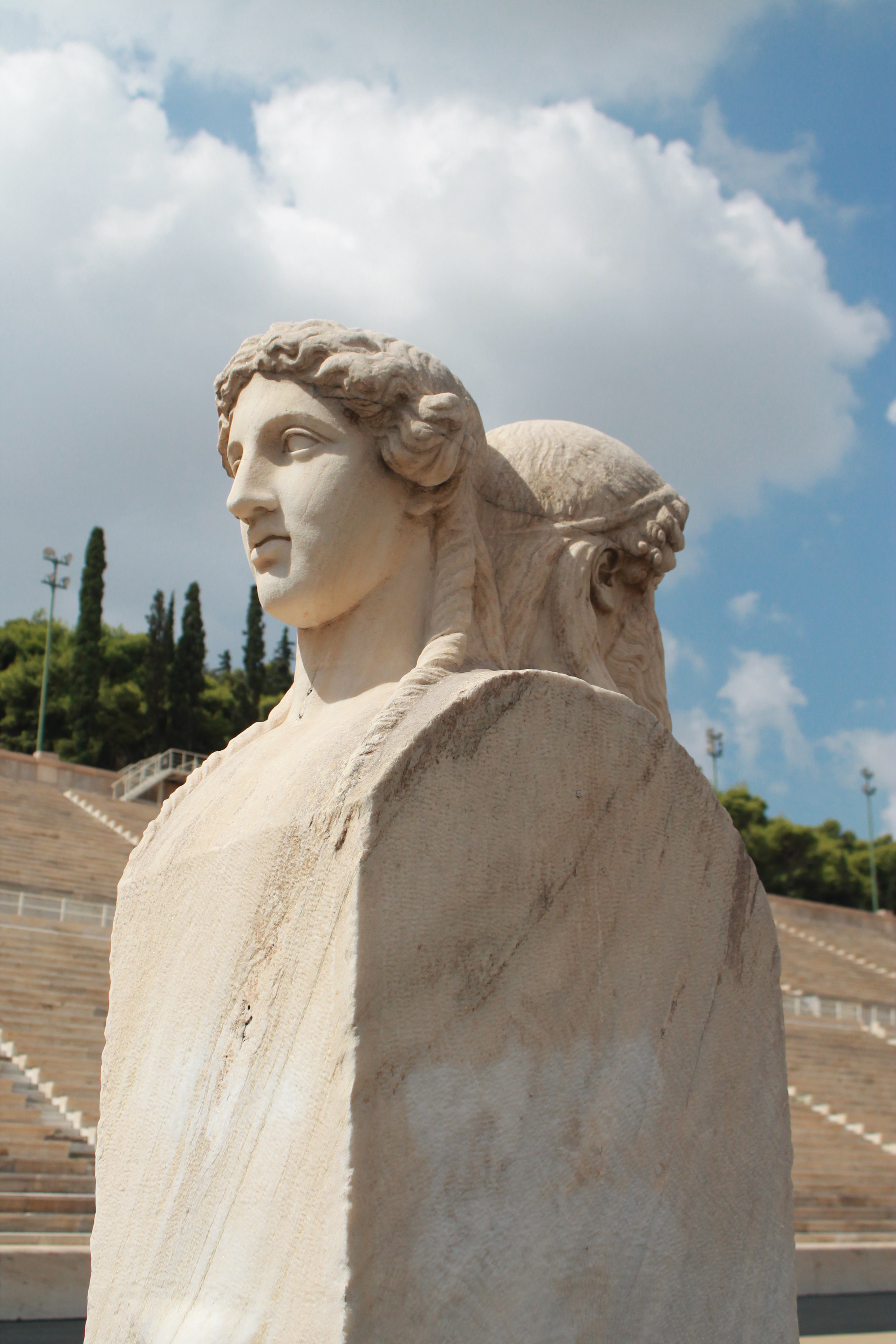
(1) Lamp stand to light the olympic torches. (2-3) Faces of a young, eager athlete and old, wise man. This statue symbolizes the soul of a man, looking forward with the vitality of youth and looking backward with the solemnity of wisdom.
The National University of Athens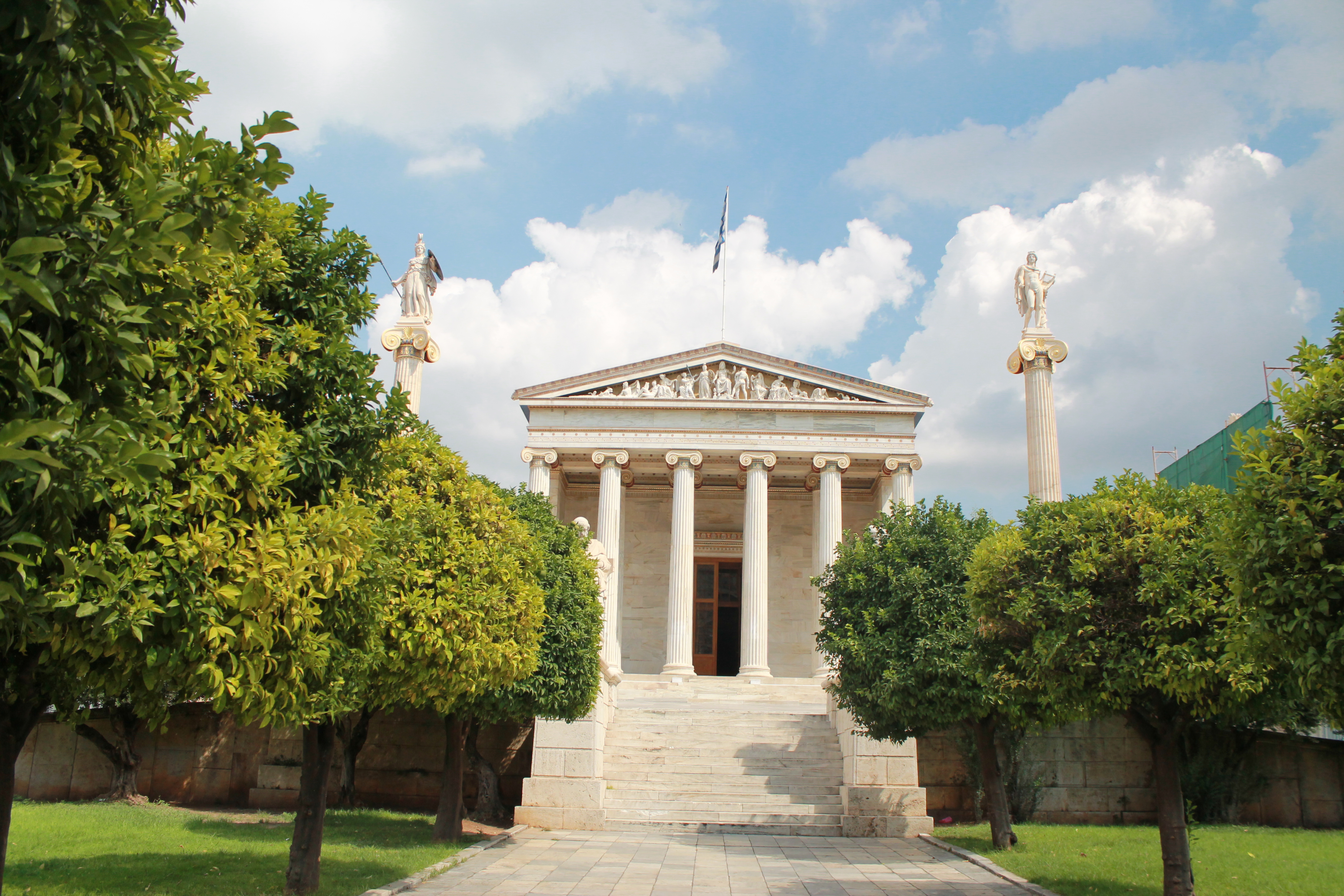


(Statues) Plato sits to the left and Socrates to the right.
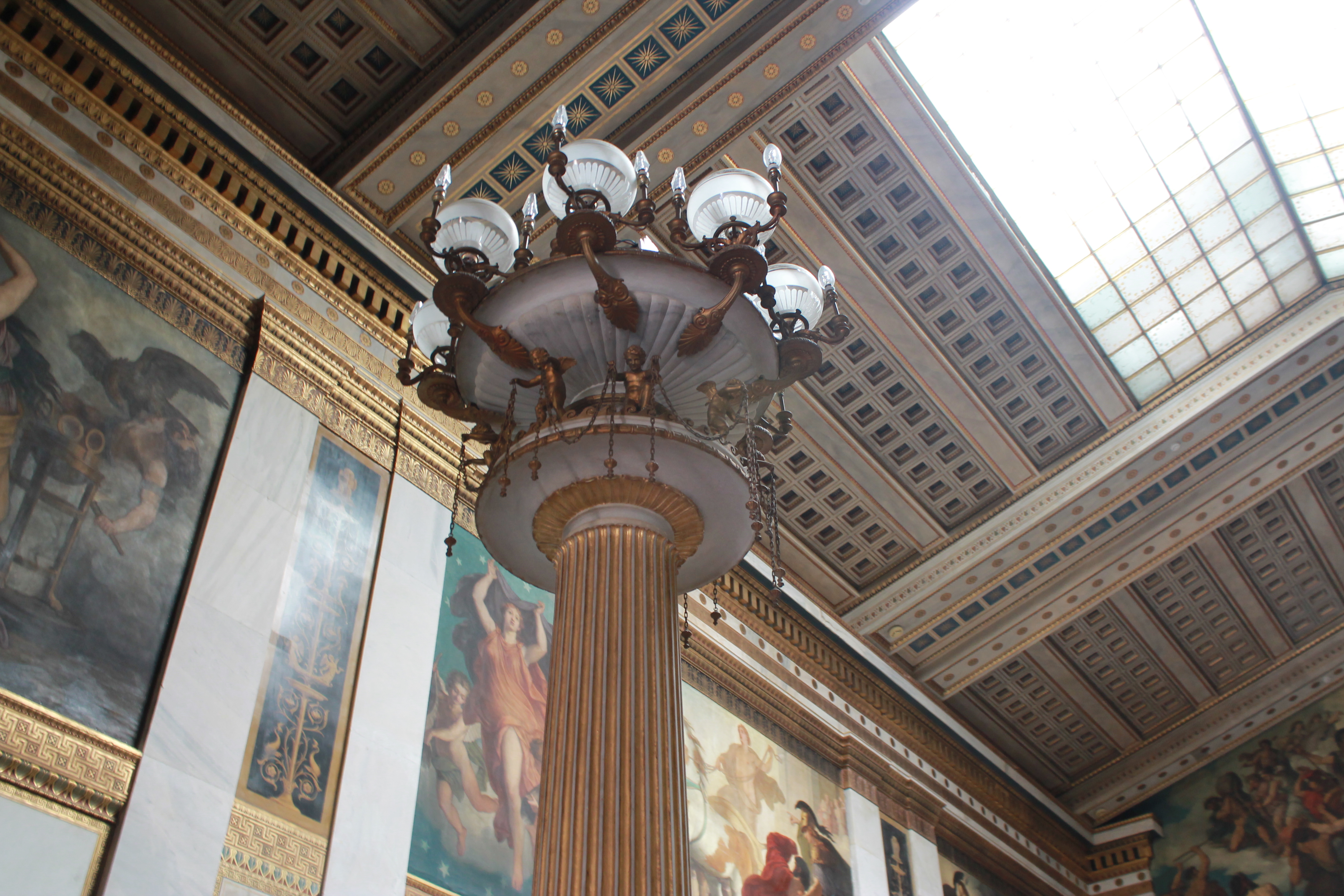
(Center) A marble lamp stand with the symbol of Athena, an owl signifying wisdom, lights the paths from the street up to the grand entrance. Athens gets its name from the goddess Athena. Legend states that the first King of Athens searched for a patron deity to support the city. Both Poseidon and Athena responded to the challenge, desiring to become the keeper of the city. Hoping to prevent a war among the gods, Athena suggested a contest: each was to present their best gift to the city and the champion would win the city. Poseidon struck the ground with his trident and created a massive body of water called Erekhtheis. Naturally, the water was salty, as were all the waters Poseidon controlled, and the people were dismayed. Next, Athena buried a small object in the soil which soon grew into a massive olive tree. This tree produced olives for eating, oil for cooking and lamps, and wood for ships. Her gift was clearly better and she became the protector of the city and became known as Athenapolis. Her wisdom and foresight was best represented in the Owl which is displayed prominently throughout the city. (above) Iconic columns line the vaulted roof with the traditional triangular pediment. (below) ceiling above the portico at the entrance to the university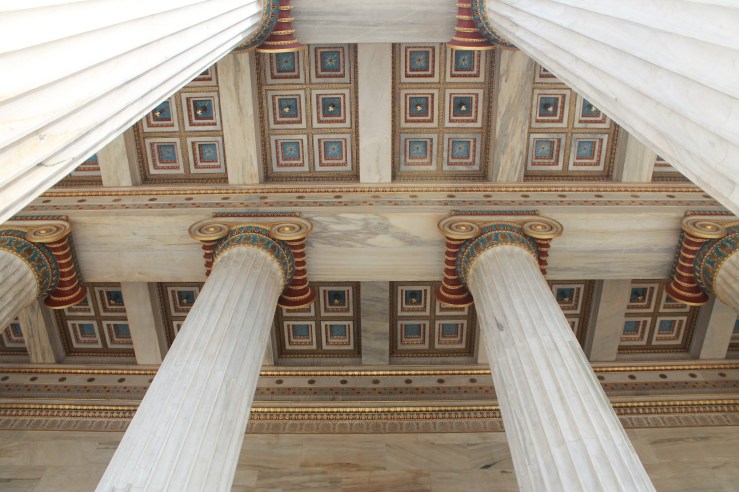
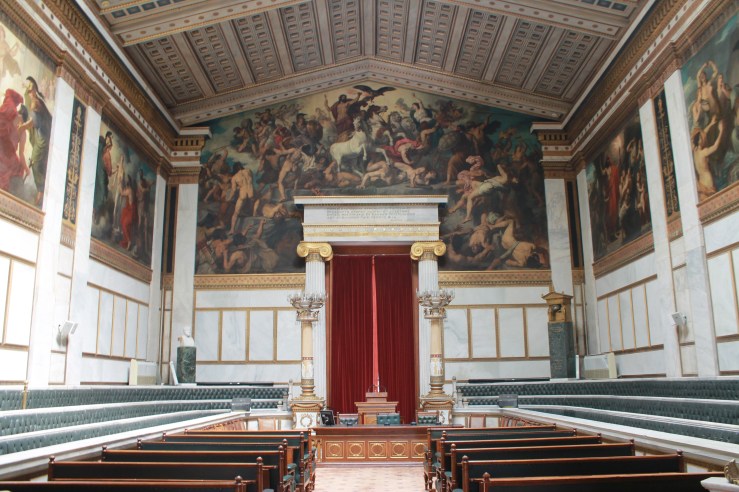
Great lecture hall at the entrance to the university. (below) oil lamp stand and seating
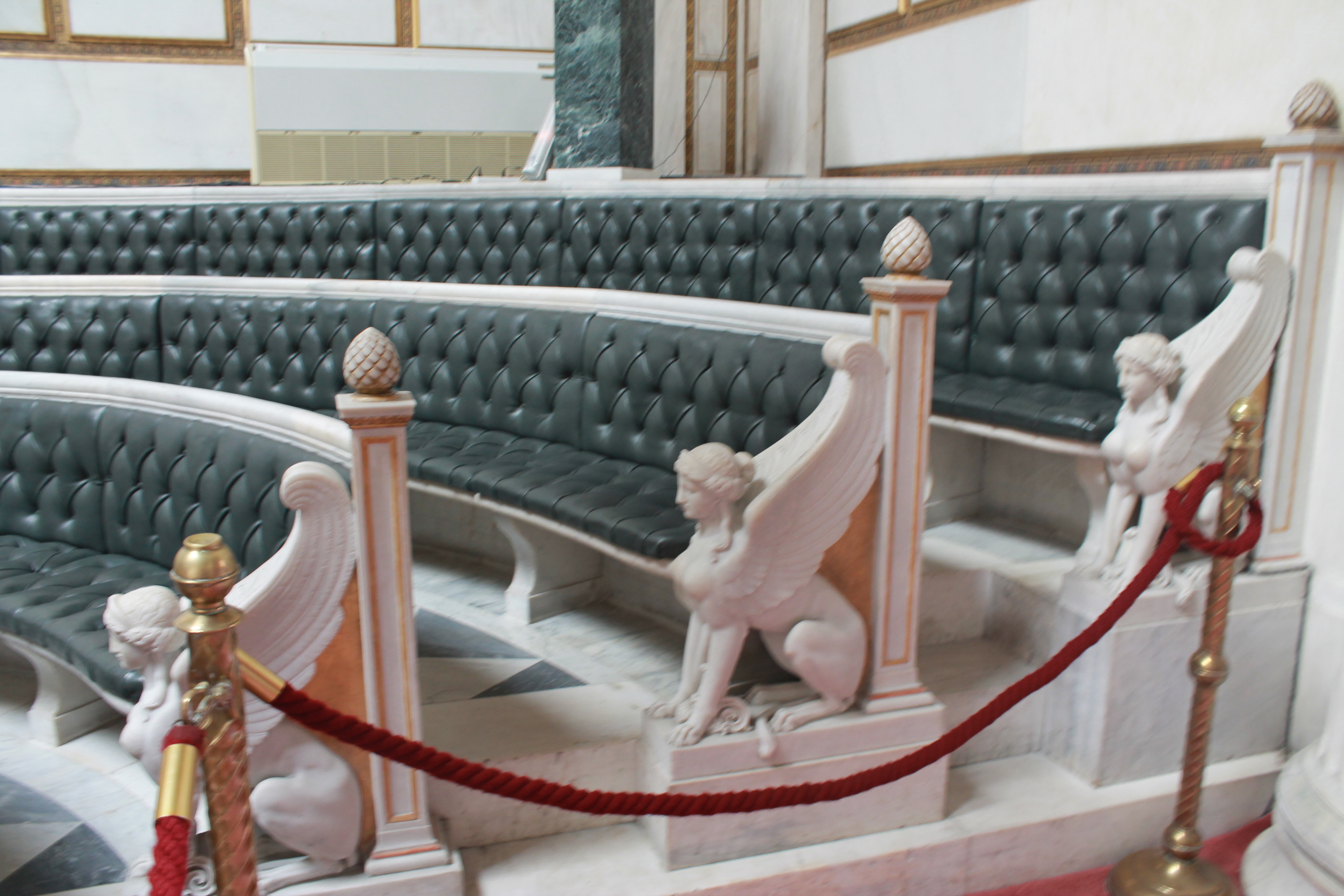

Entrance to the National Library. Unfortunately we weren’t allowed to take any pictures inside the building as it is still in use. The main level had a multi-story library with large, ornate brass staircases and scaffolding lining the upper levels. The center of the library housed several heavy wooden tables and desks for reading the ancient tomes housed there. A librarian was kind enough to give us a short history lesson and an index card full of useful phrases to get around Greece.

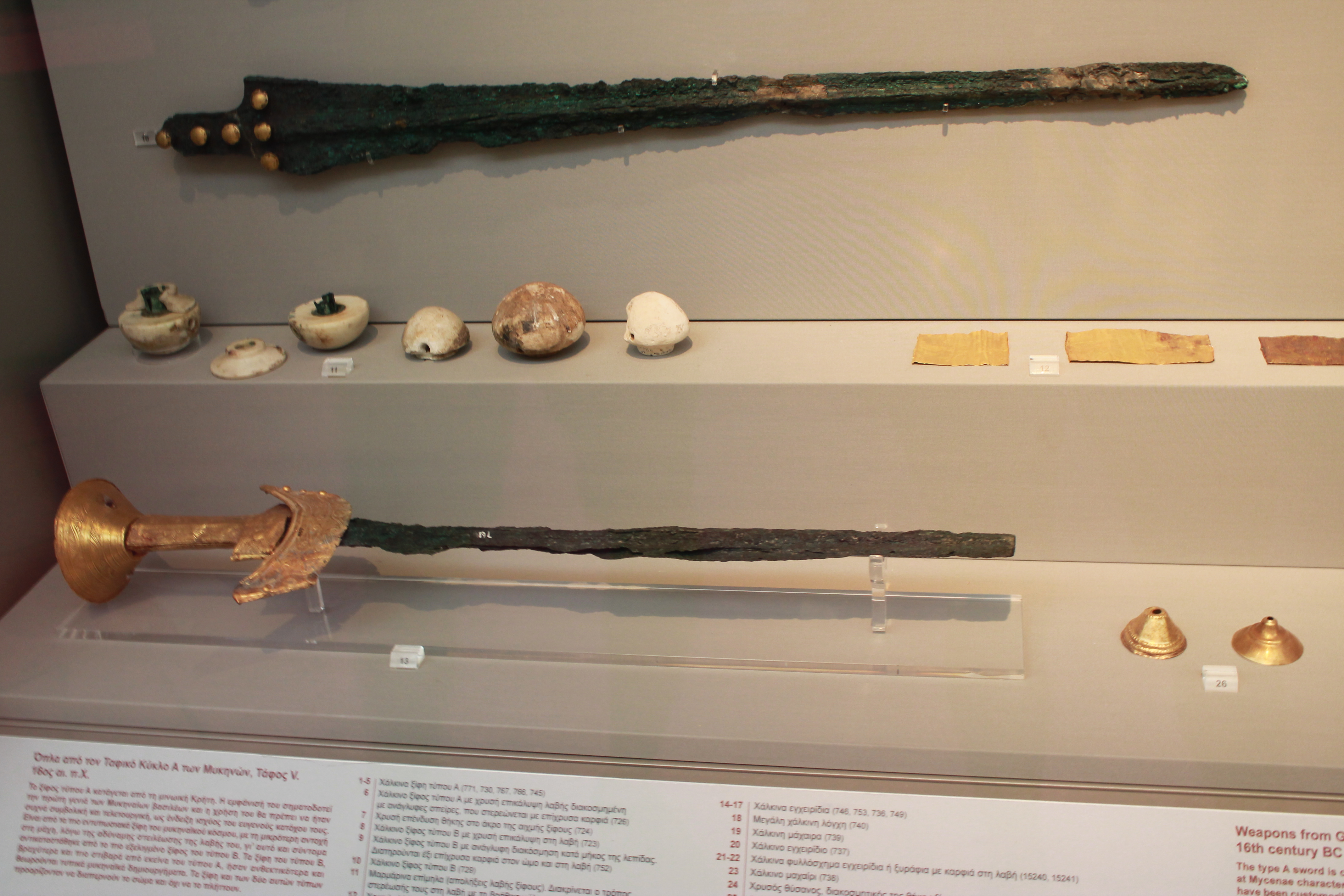
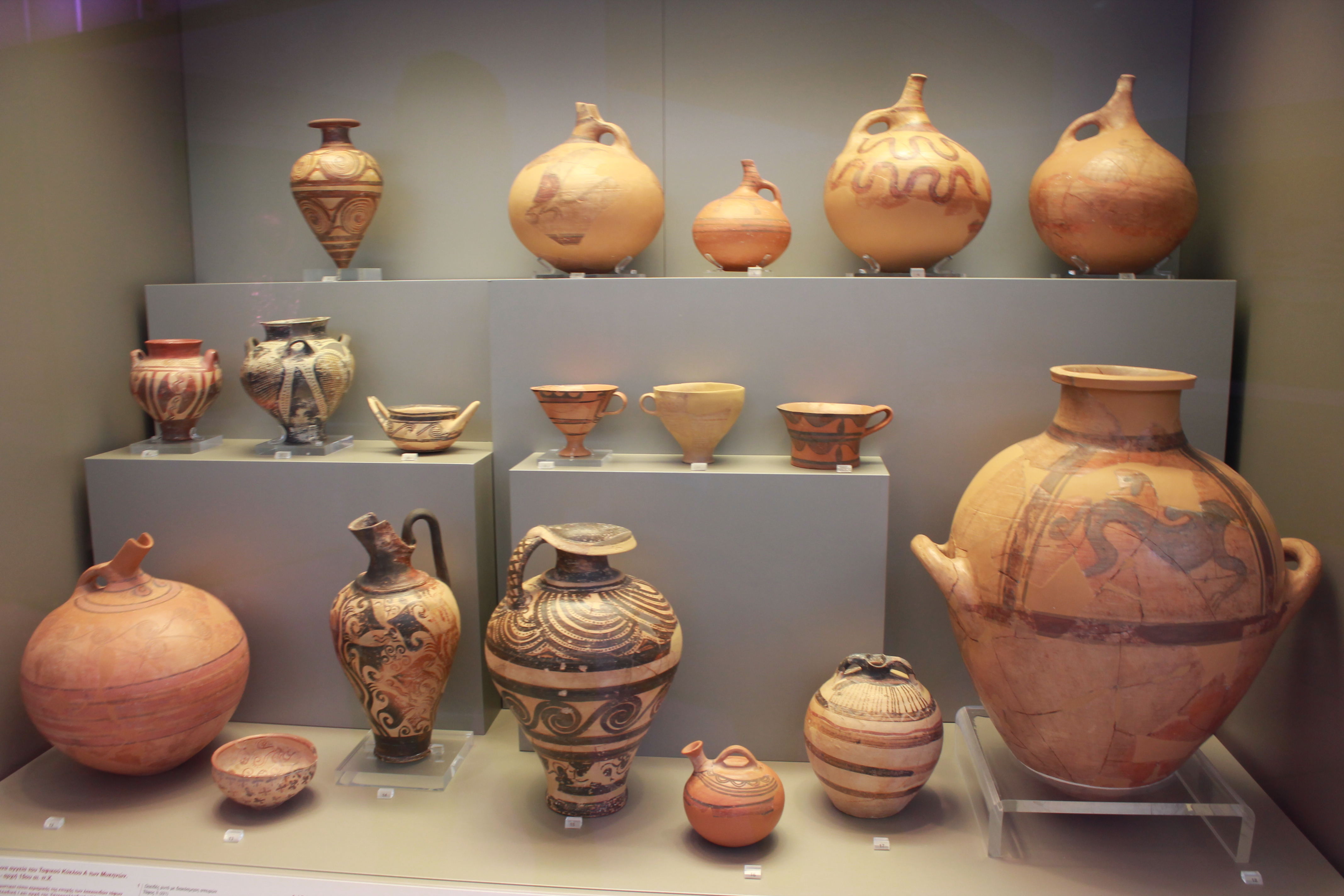
The National Archaeological Museum was established in the late 1800s encompassing 8,000 sq meters of space. It permanently houses five periods of art, the Prehistoric Collection (1050-6th century B.C. Neolithic, Cycladic, Mycenaean), the Sculptures Collection (7th – 5th centuries B.C.), the Vase and Minor objects & Stathatos Collections (11th century B.C. to Roman Period), and the Metallurgy Collection, a sampling of which you will see photographed below.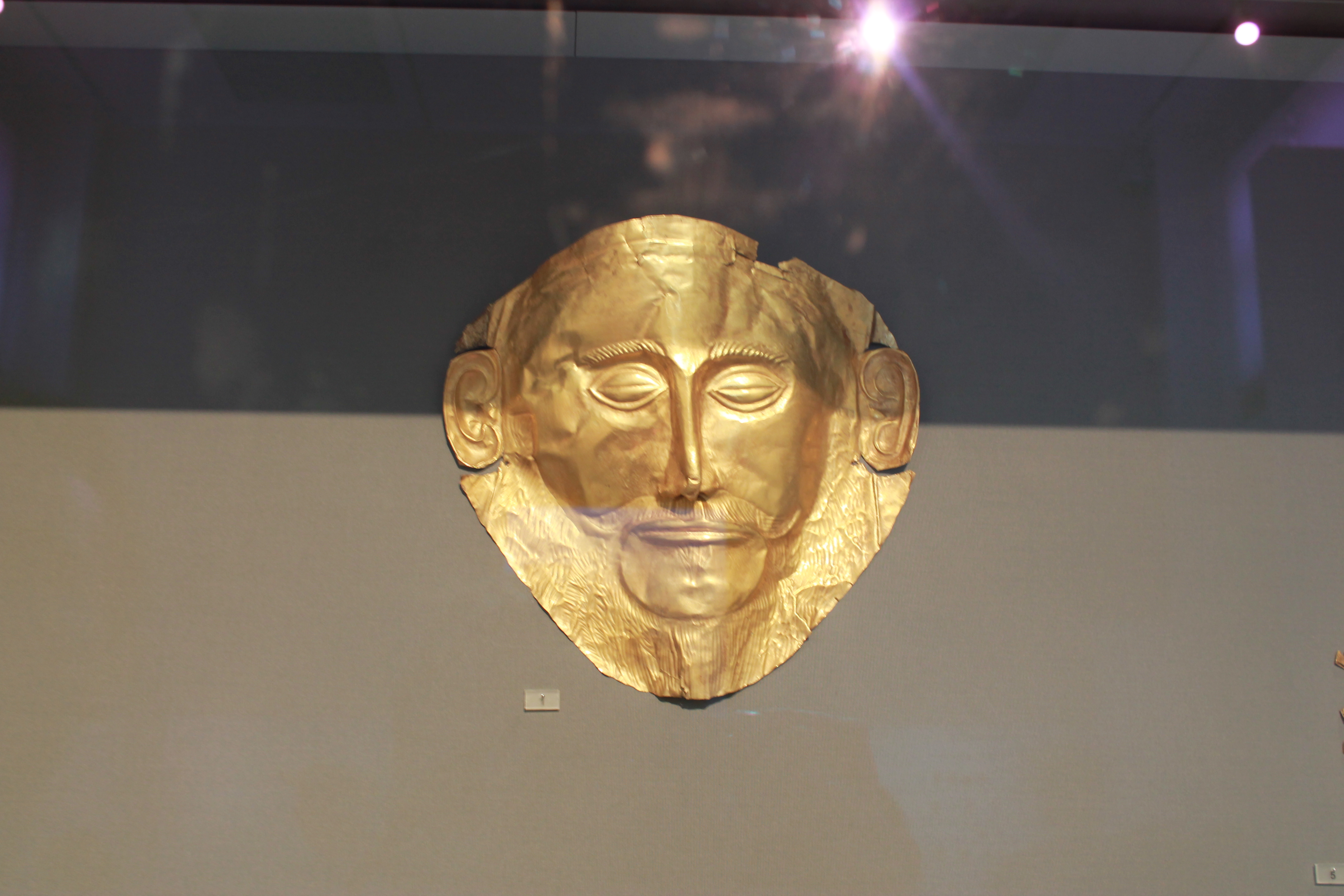 The Death Mask of Agamemnon
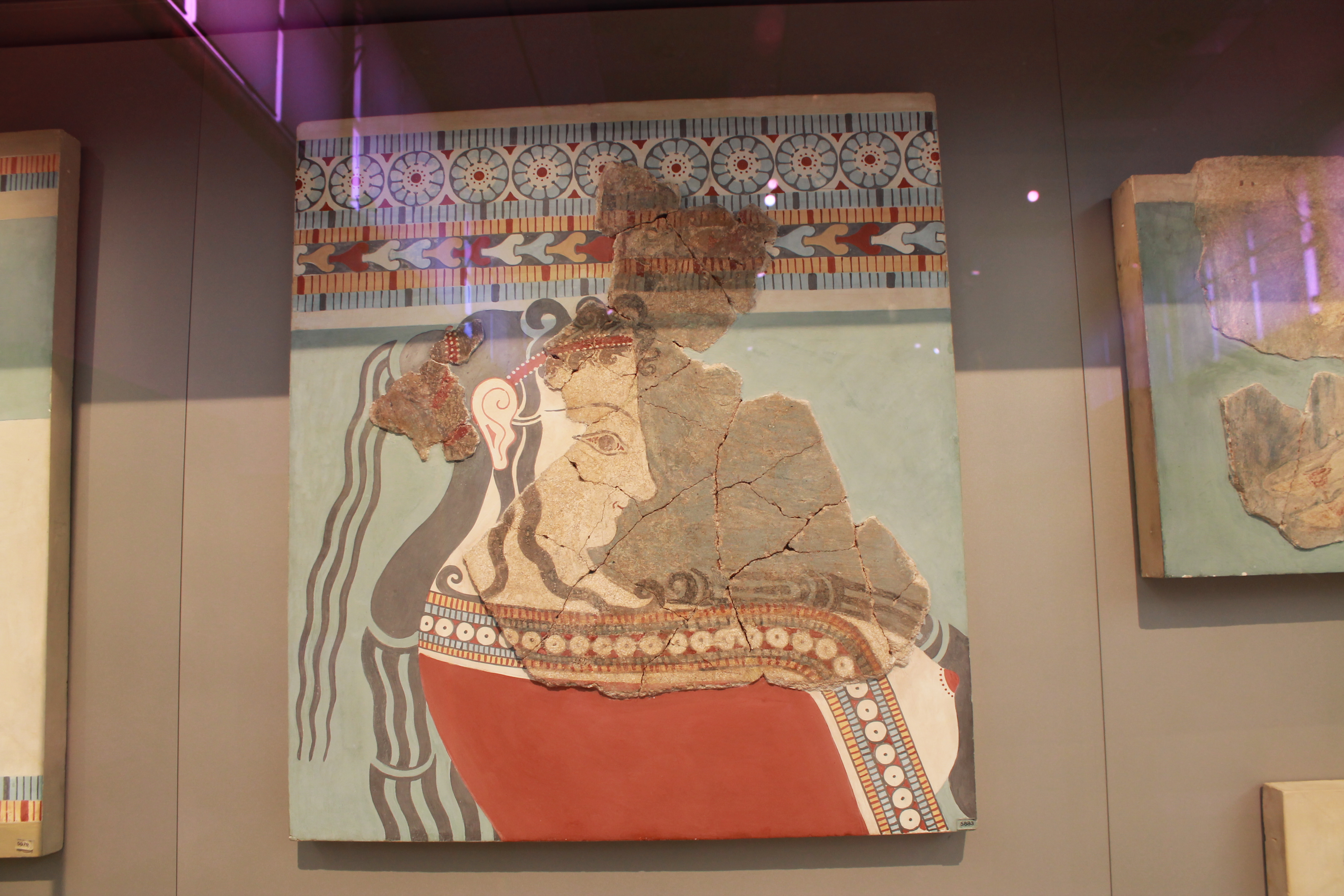 Mycenaean Fresco of an elaborately dressed women in a procession from the Tiryn Palace 1300 B.C.
 (left) Minoan Fresco children boxing, fresco found in Fira, Santorini, Greece. (right) Mycenaean Fresco of a woman holding snakes

 “first piggy bank” and traditional vase depicting a battle scene
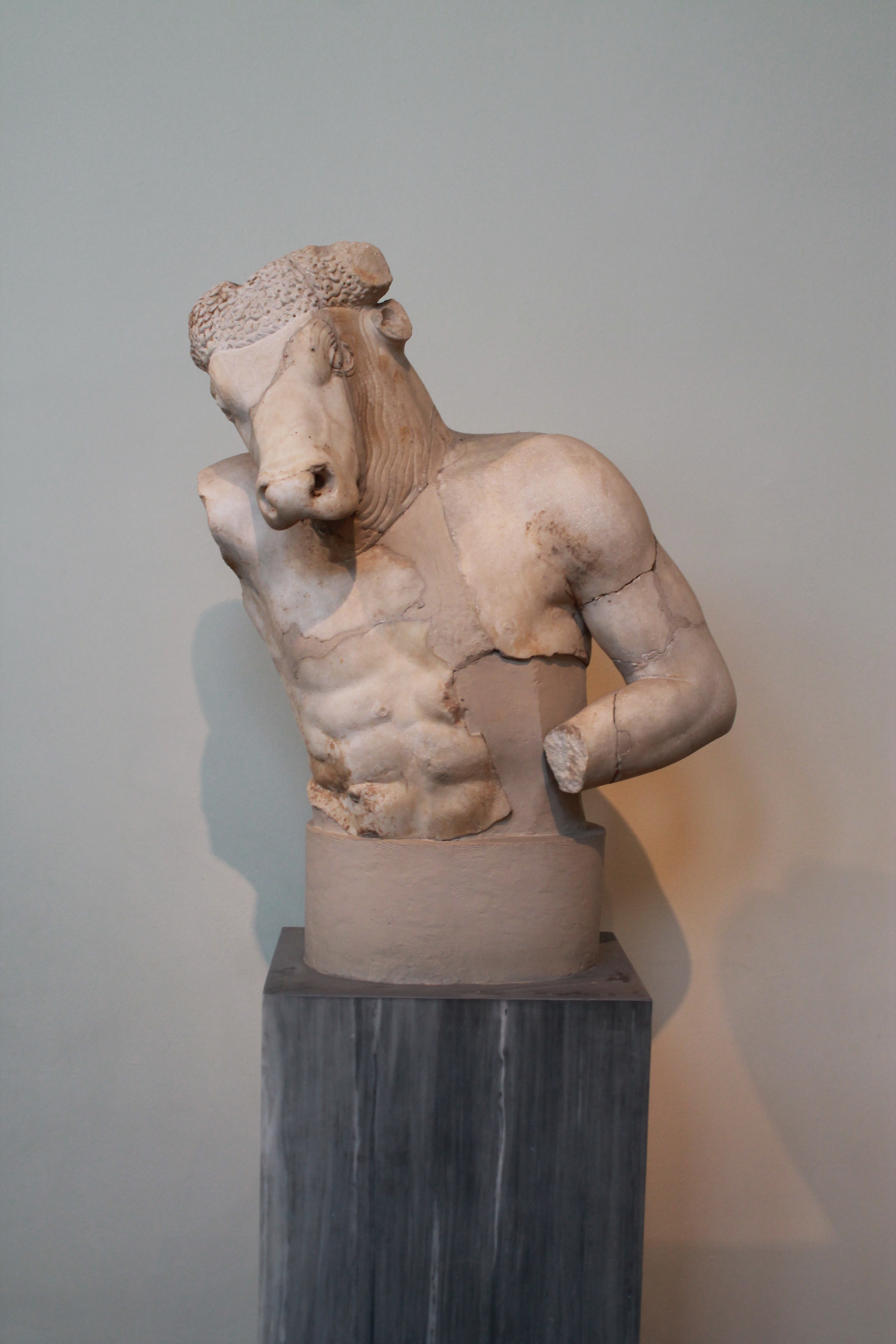
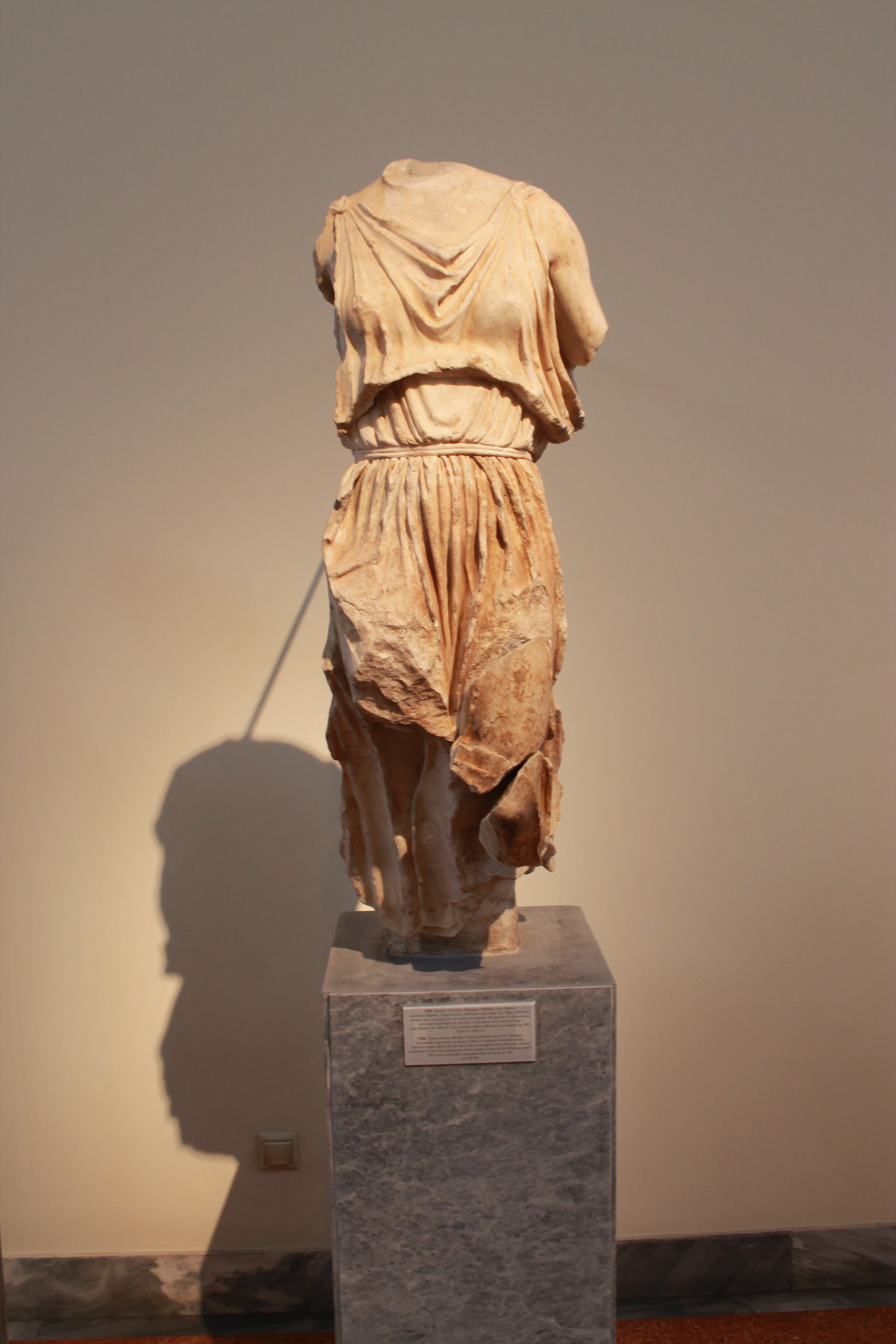 Minotaur bust and Headless statue of Aspasia Annia Regilla, the wife of Herodes Atticus.
  sleeping Maenid found on the southern side of the Athenian Acropolis, 117-138 A.D.
September 17, 2014: living like locals and dinner at New Hotel
 We really enjoyed exploring the narrow market street surrounding the acropolis and enjoyed shopping and munching our way through town. In the late afternoon we took one more climb up Mars Hill, a marble rock that has worn smooth, making it a rather dangerous climb. The 360 degree views were totally worth it!
 On our way to dinner we stopped in Syntagma Square, a main plaza across from the Parliament building. We spotted locals passing the evening sipping espresso or licking gelato, high school boys break dancing and skate boarding, and businessmen walking hurriedly to the subway. (I am wearing the flame proof black and blue silk shawl I bartered for in Turkey earlier on our trip). The weather was overall quite comfortable; high 80s during the day and low 60s at night.
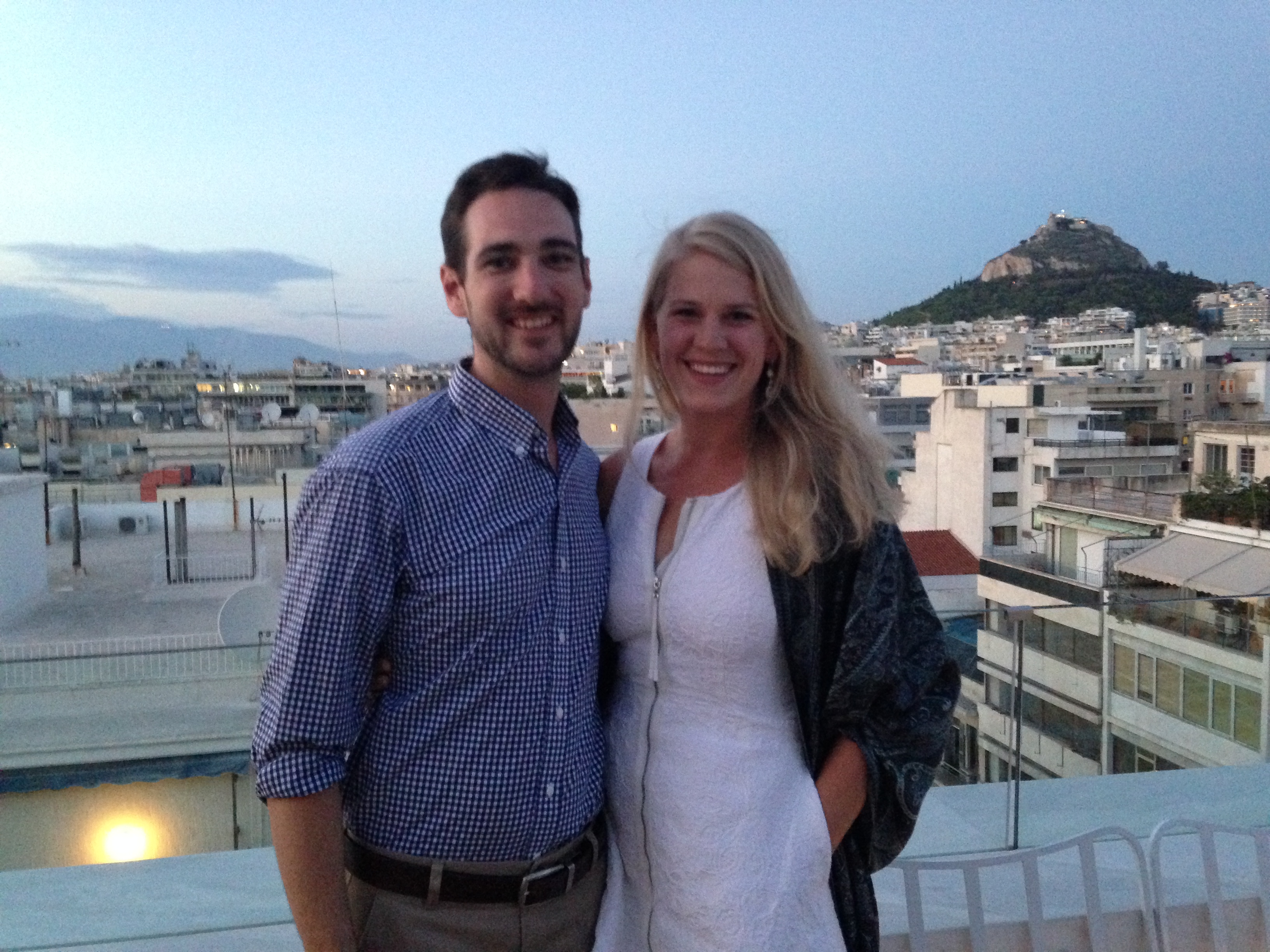 Enjoying dinner at the New Art Lounge rooftop restaurant and bar at New Hotel, a Michelin Star restaurant.
September 18, 2015: Flying back to Istanbul, Turkey for one last night
September 19, 2015: Flying back to George Bush Intercontinental Airport, Houston, Texas
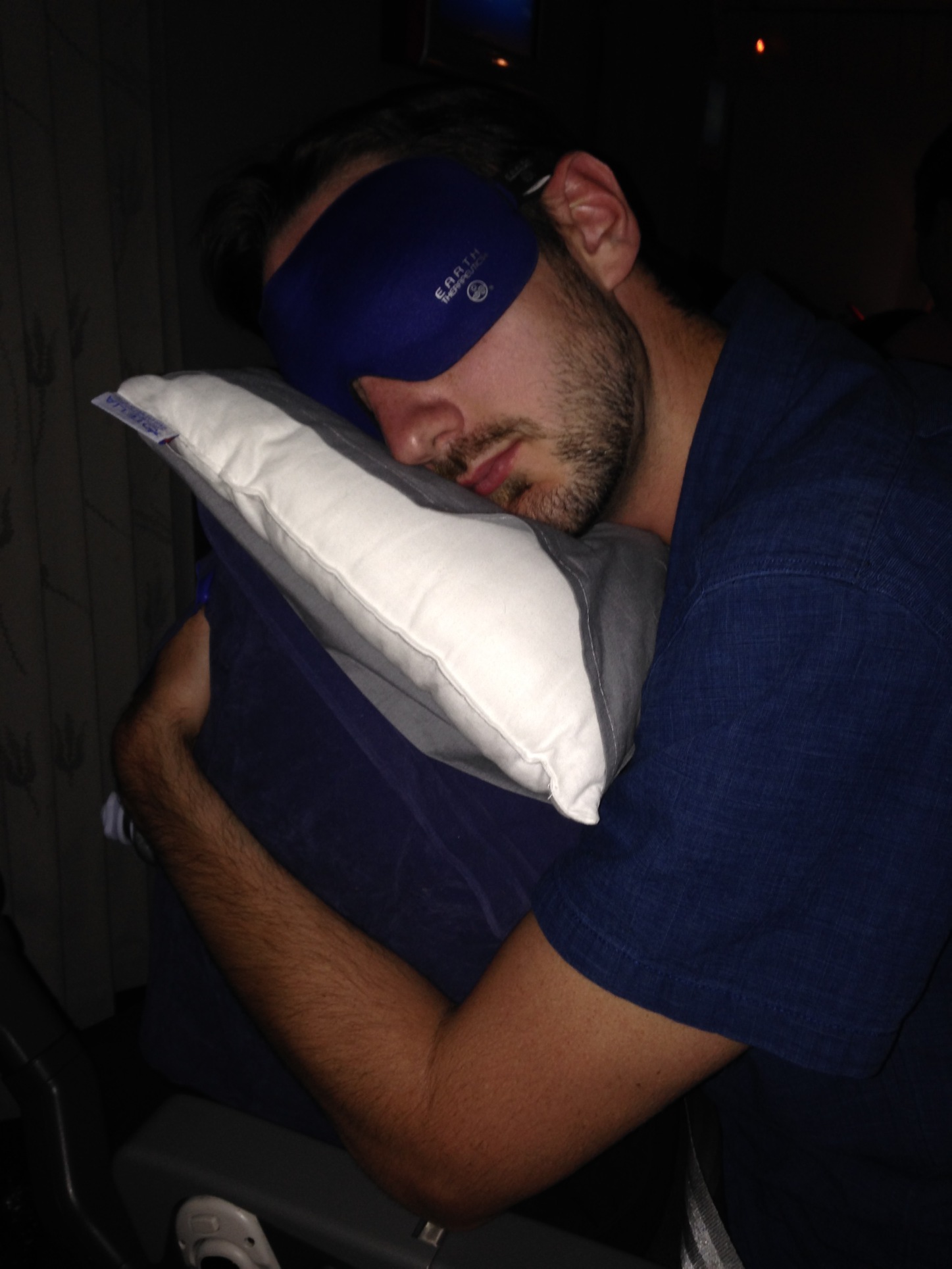
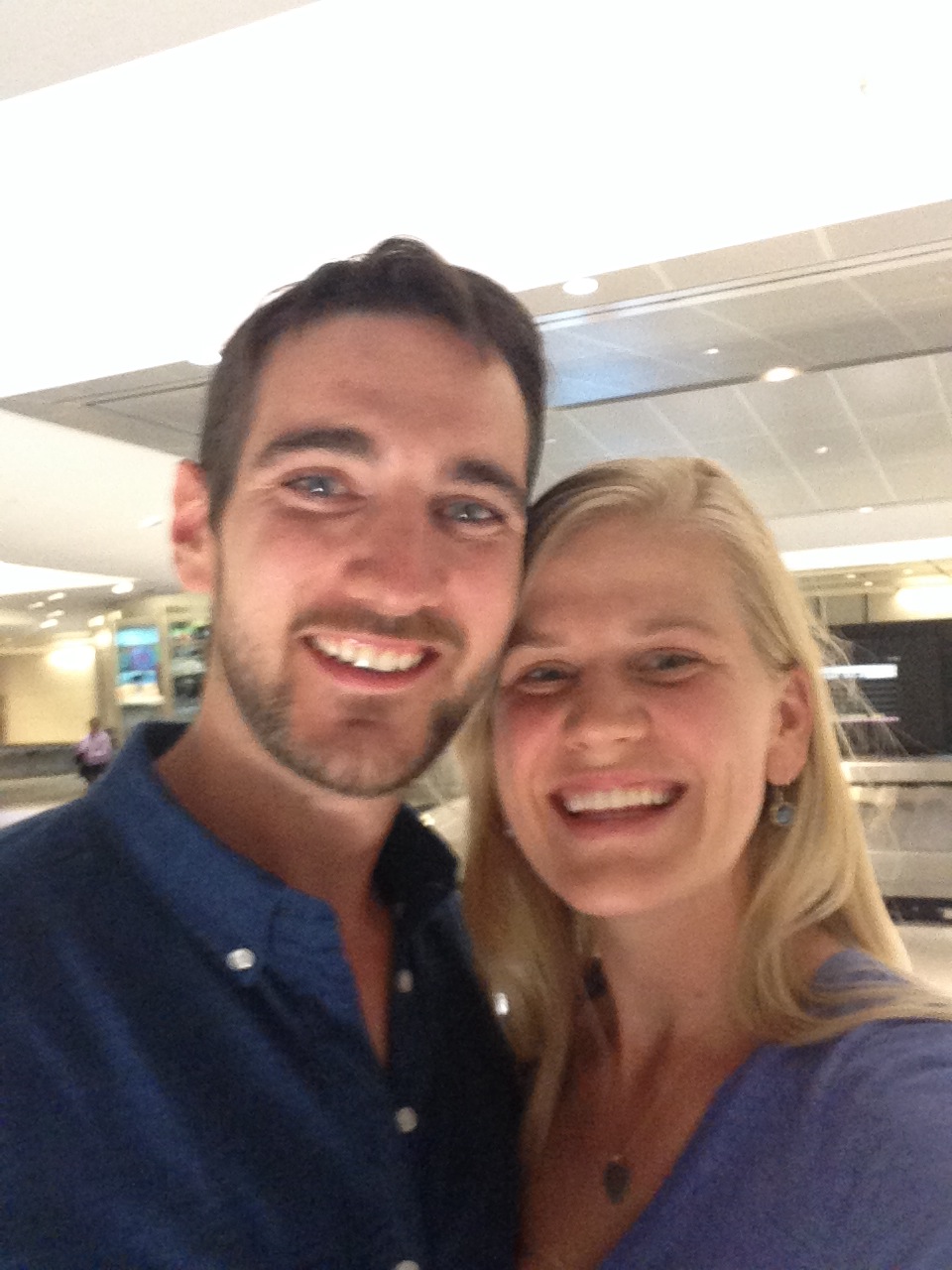 My sleep diva getting his beauty rest // Almost home! (wearing my new earrings)
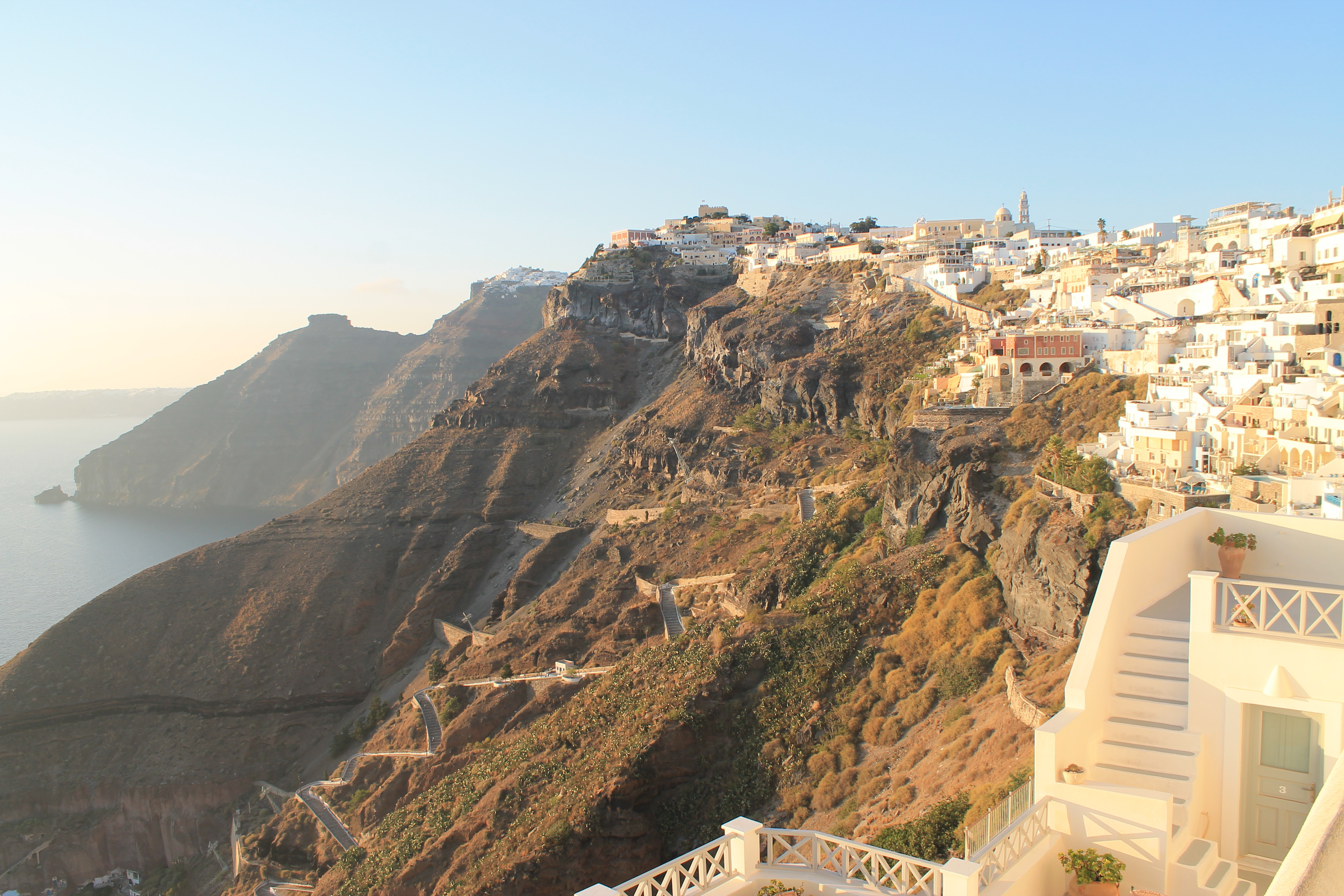





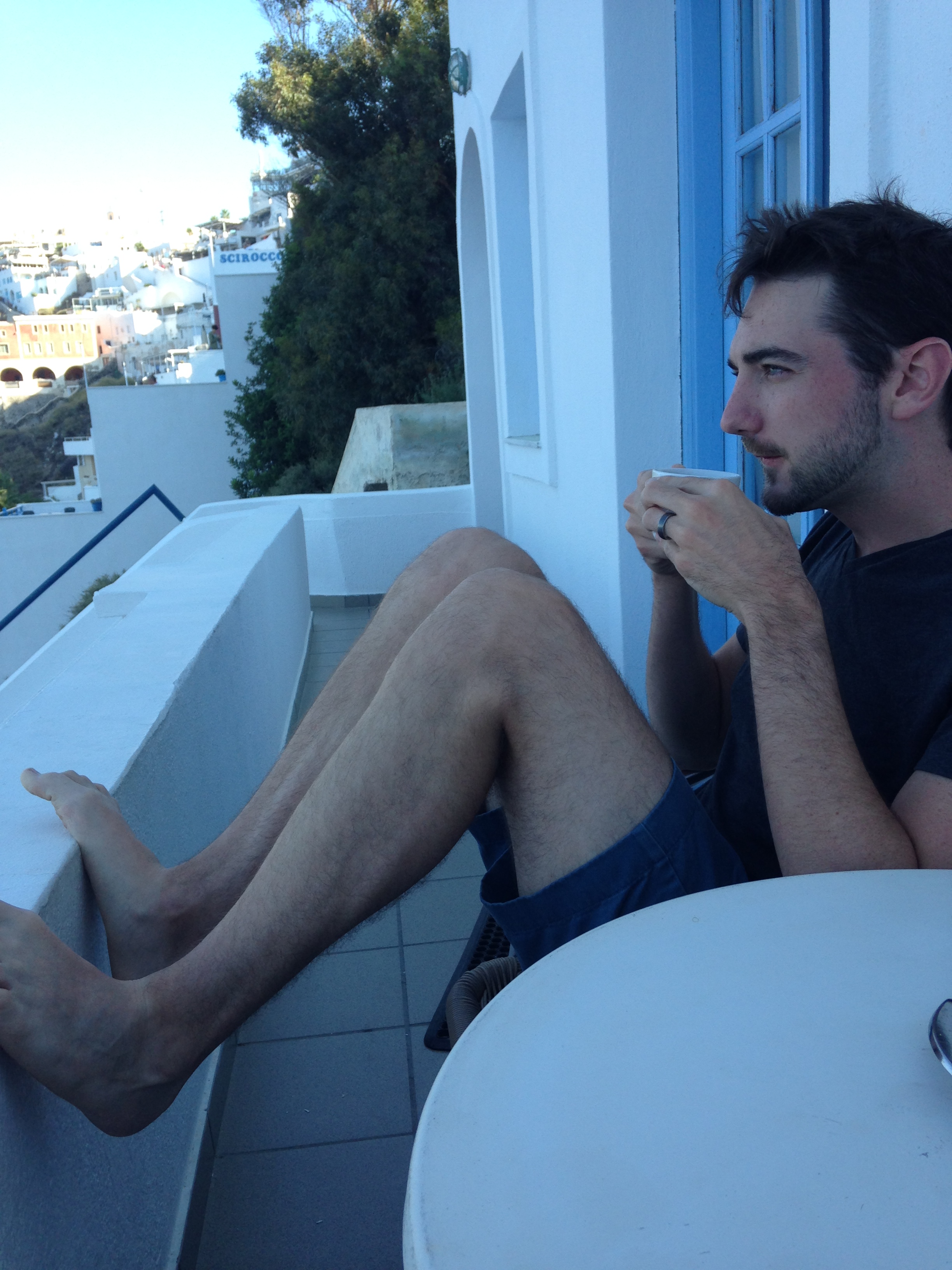

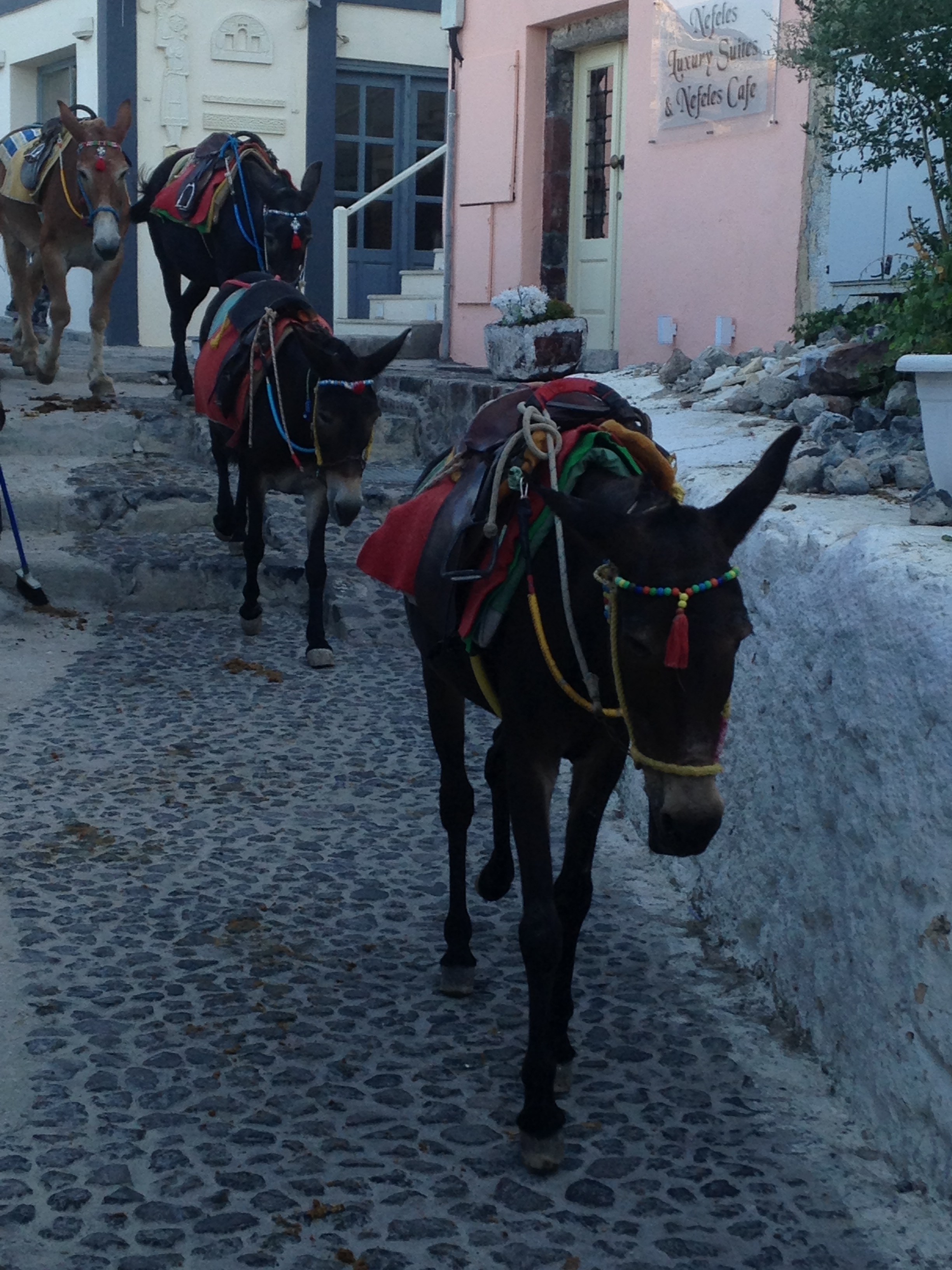


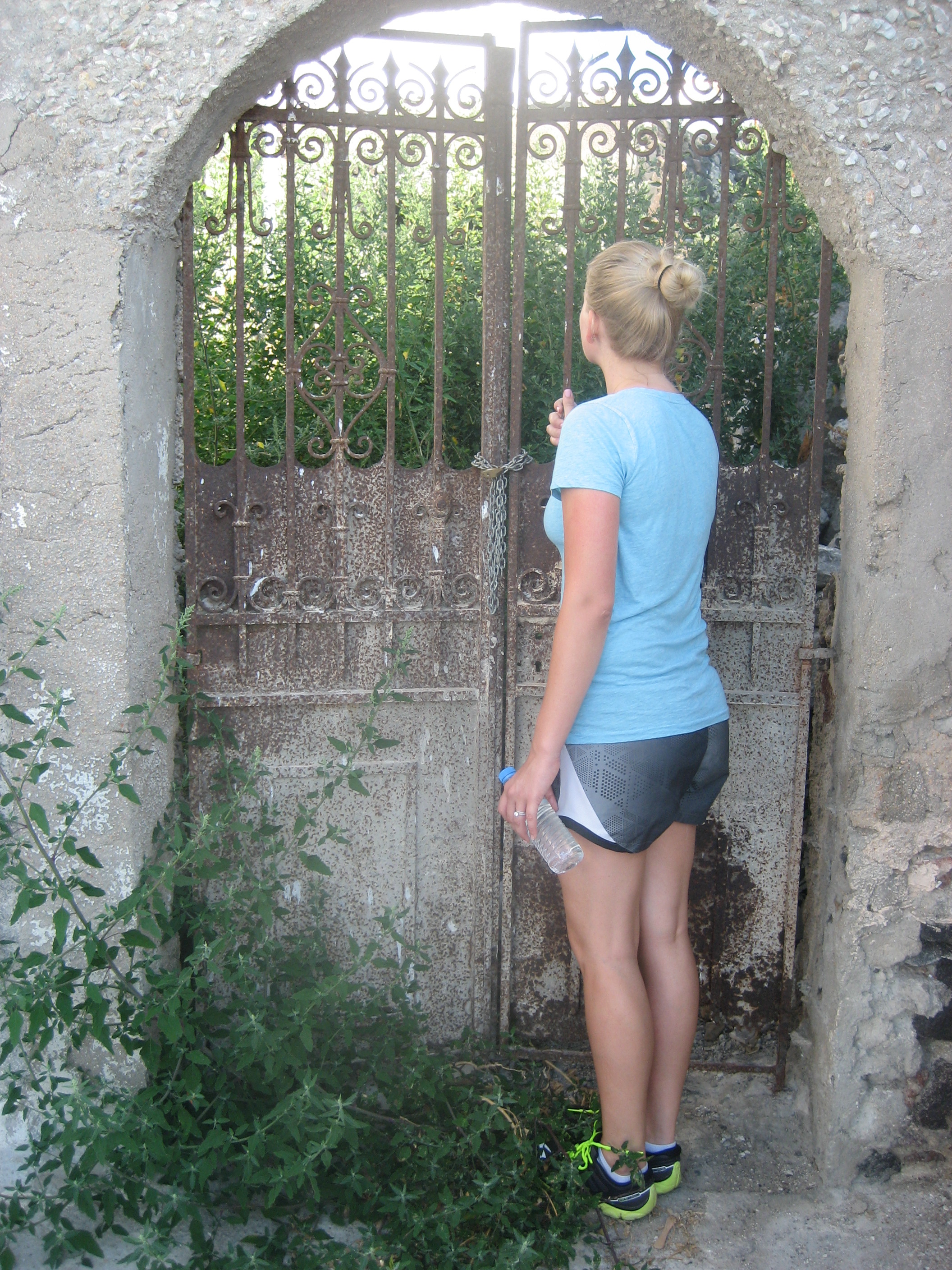
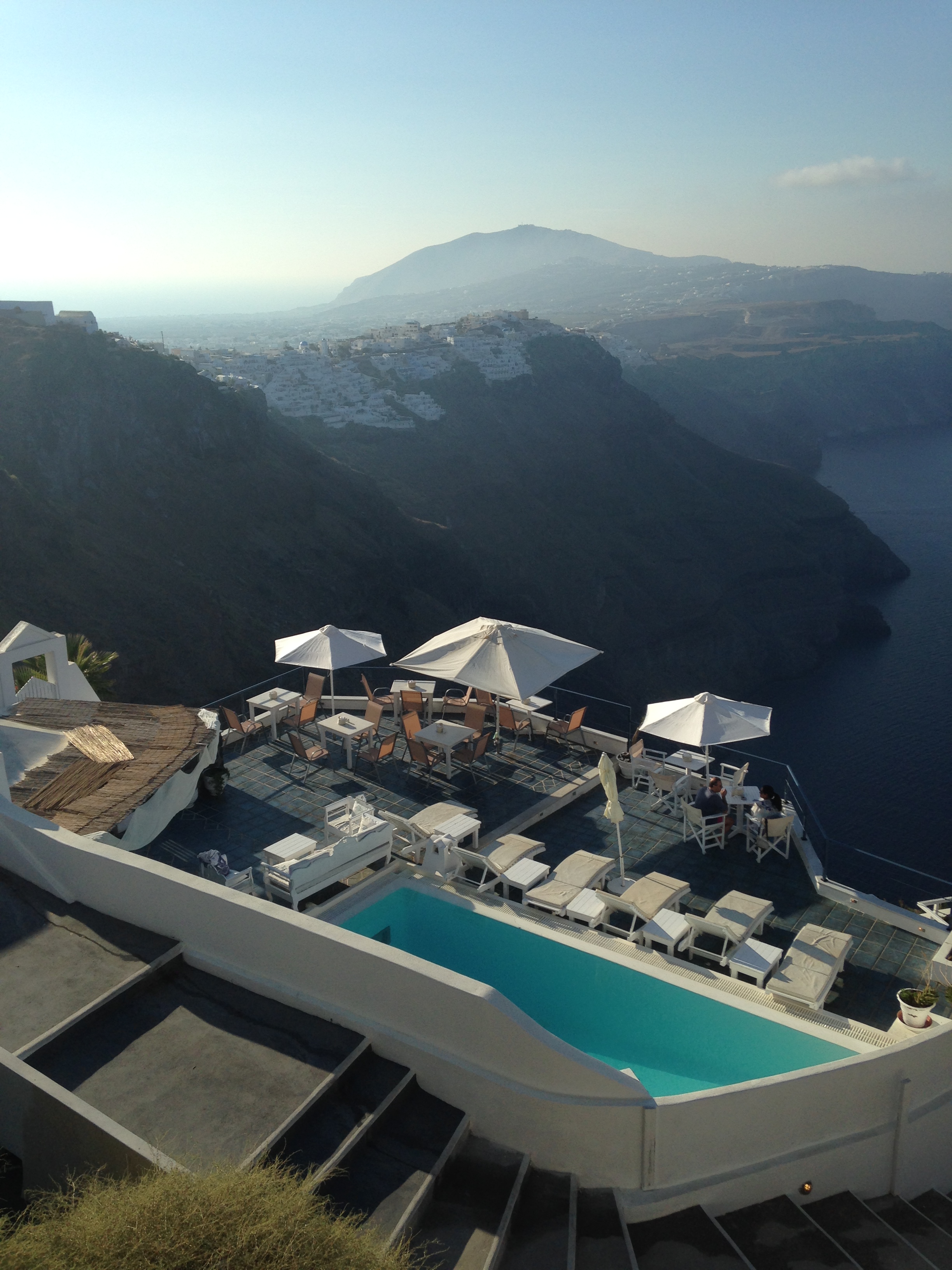












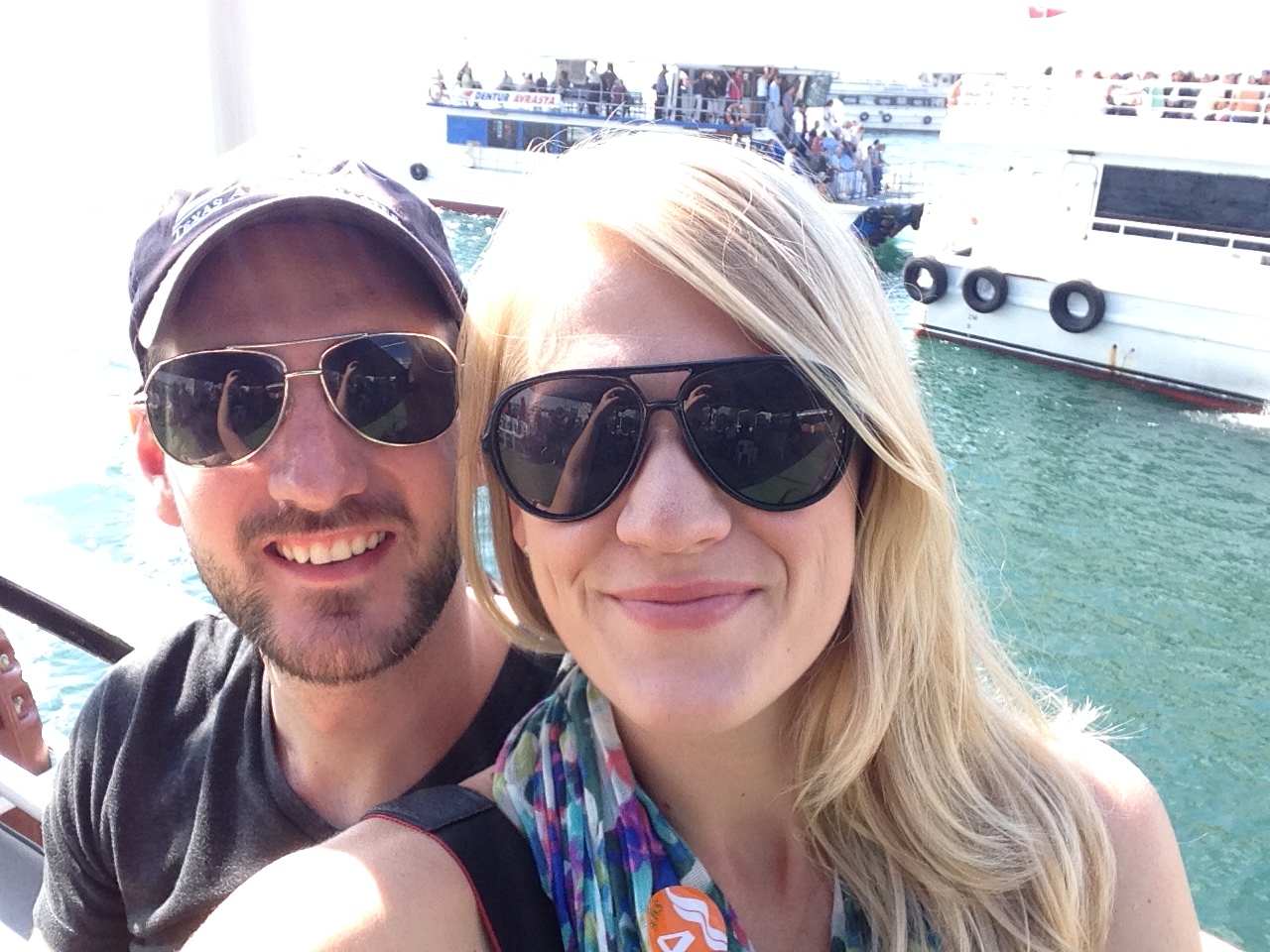


 ber 5, 2014: Flying out of George Bush Intercontinental Airport via Turkish Air
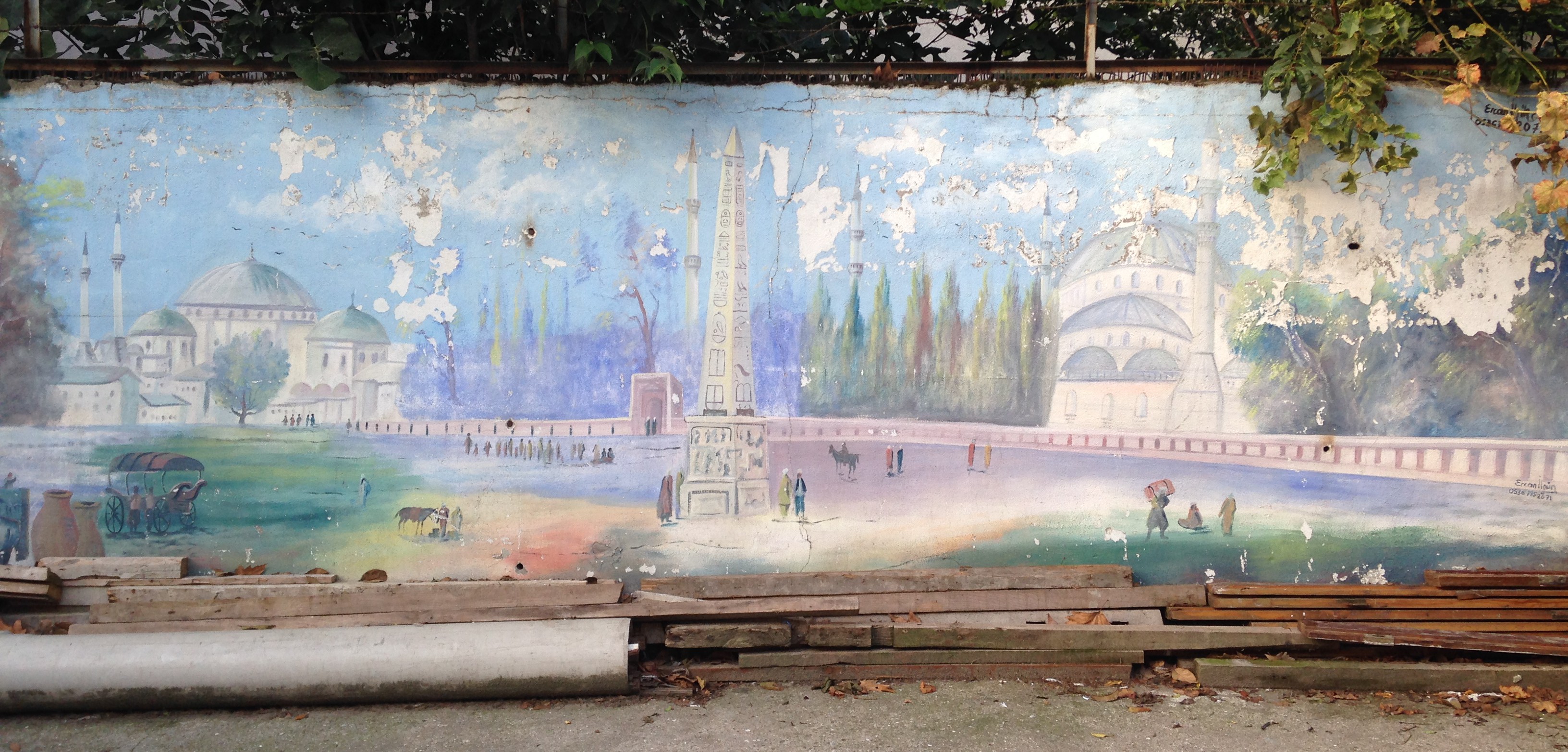
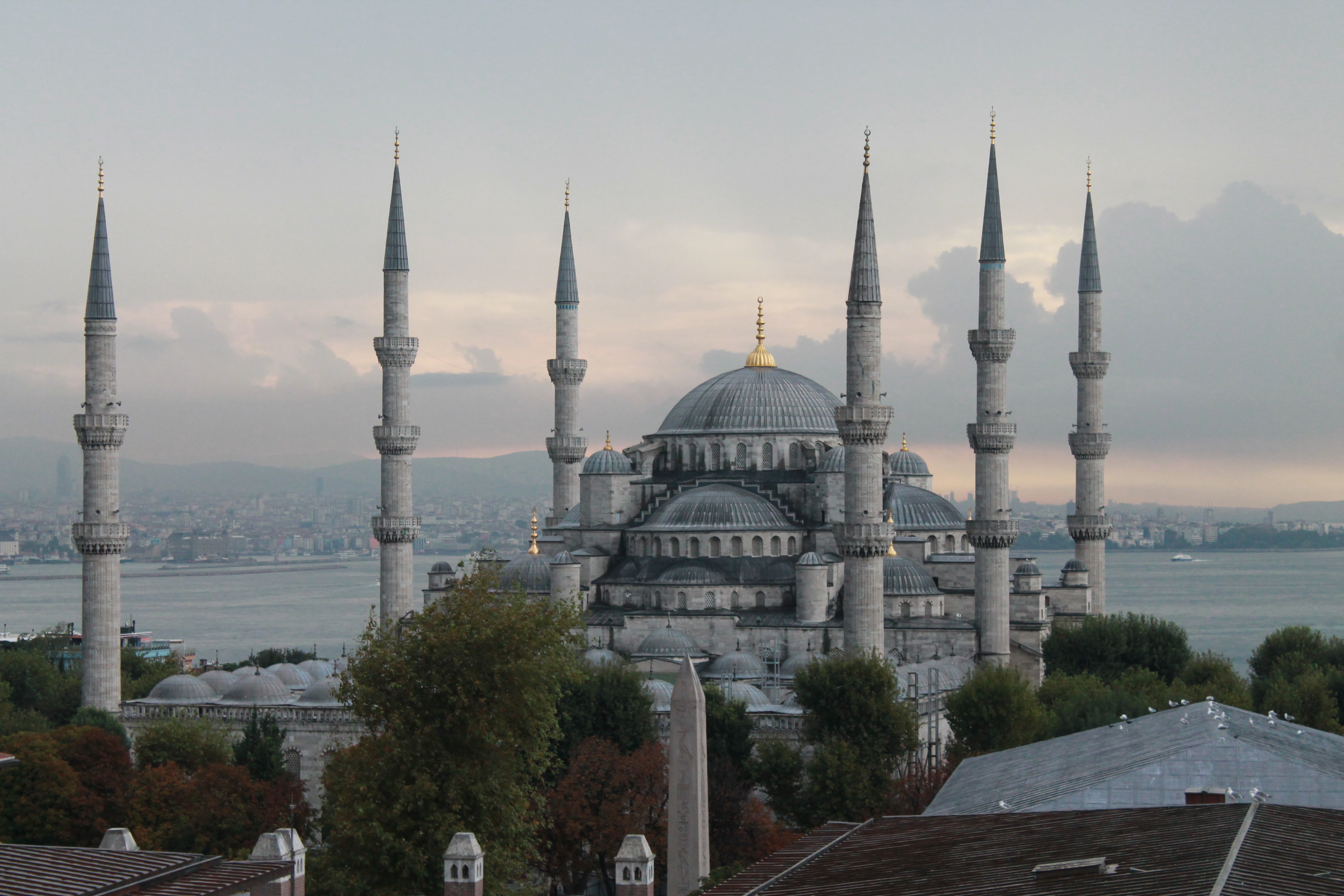
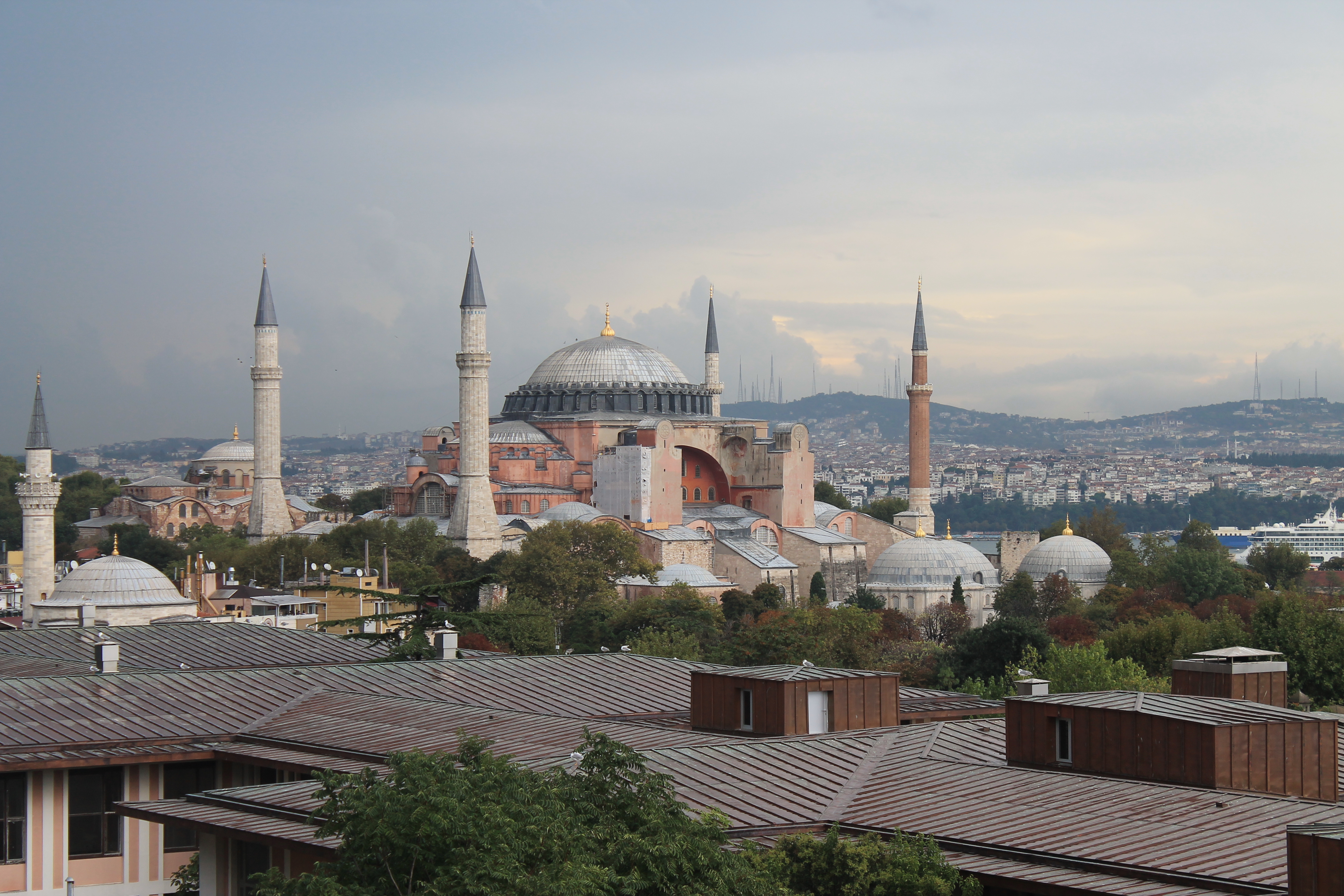


 I h
I h ad no idea what to expect from the Grand Bazaar… let’s just say I had envisioned a more Aladdin-esque open air market with dirt floors. I wasn’t disappointed in the brick-and-mortar shopping mall, just surprised. The bazaar is home to approximately 3,000 shops and employs up to 30,000 people. It’s divided into sections such as gold, silver, tourist collections, rugs & textiles, and clothing. The turks are known for their savvy negotiations and treat it like a sport. After the sale was complete, the shop owners loved to chat and practice their English; most were fluent in 4-5 languages!








 Hike & Mighty Adventures