Our most recent travels in September 2014 took us to the Mediterranean to explore four distinct yet exquisite locales: Istanbul, Turkey; Mykonos, Santorini, & Athens, Greece

Septem ber 5, 2014: Flying out of George Bush Intercontinental Airport via Turkish Air
September 6, 2014: Finally! We checked into our cute boutique hotel, Hotel Lausos just in time for a hot shower and dinner on the street. We stumbled into a rather tourist-y restaurant district and tried our first turkish dishes. I wish I could remember what we ate, but at the very least I know we were thankful for full bellies and the experience of new flavors.
September 7, 2014: Blue Mosque, Hagia Sophia, Sultanahmet Square, Topkapi Palace.

We were fortunate to have a hotel just blocks from Sultanahmet Square, the epicenter of the Old City which is home to the two most famous monuments to Istanbul: Hagia Sophia and the Blue Mosque. These ancient megaliths rest only a few hundred yards from one another and symbolize both the political and religious history of the region. When entering a mosque, it is required for all individuals to cover their shoulders to at least their knees, and women must also cover their head and neck. It was unique to see a cosmopolitan influence on the city as liberal turks and conservative muslims live side by side.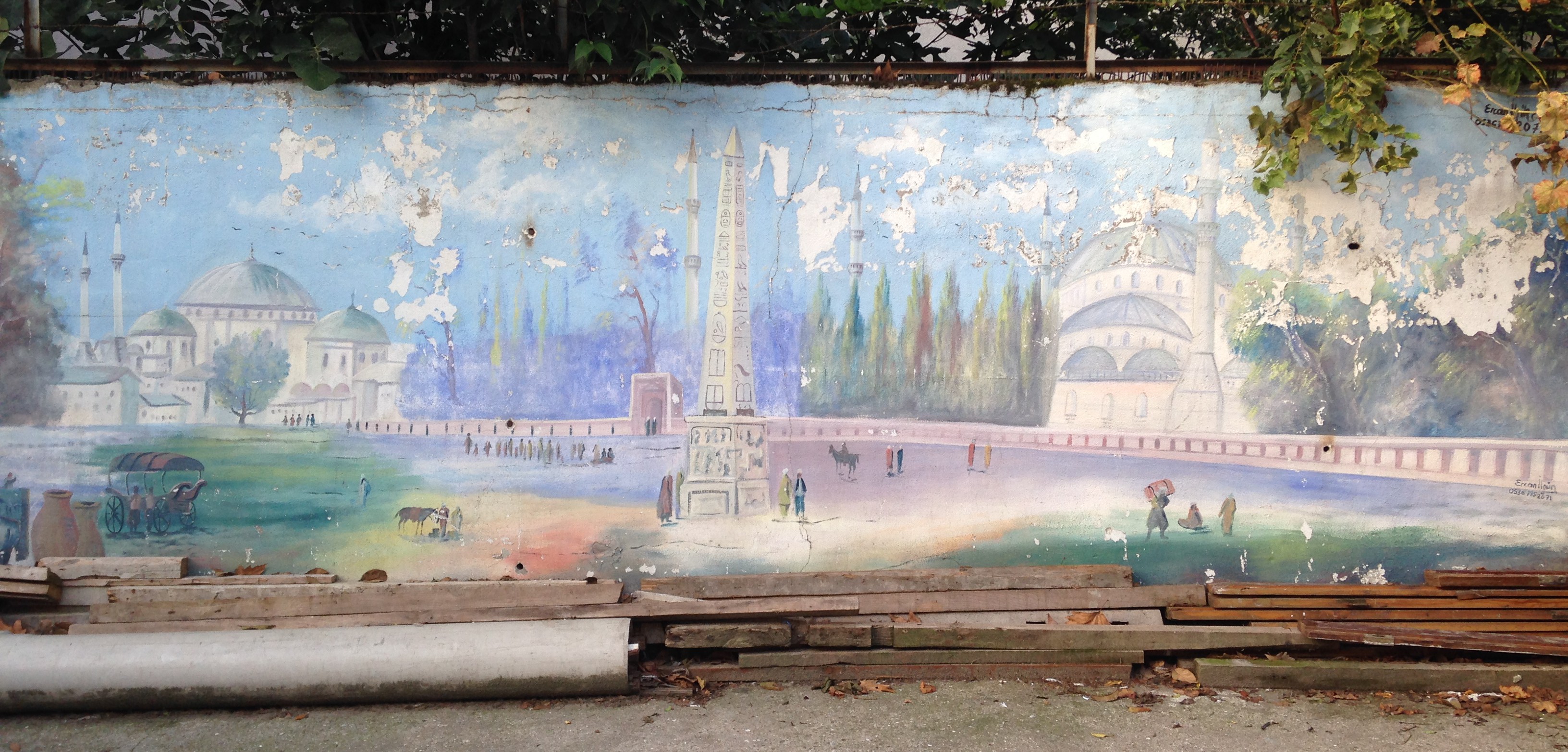
This mural was painted by a local artist and depicts Sultanahmet Square. The center spire is an Egyptian Obelisk (The Obelisk of Theodosius) which was a trophy taken by a former Roman emperor to decorate the city of Istanbul during the Roman occupation.
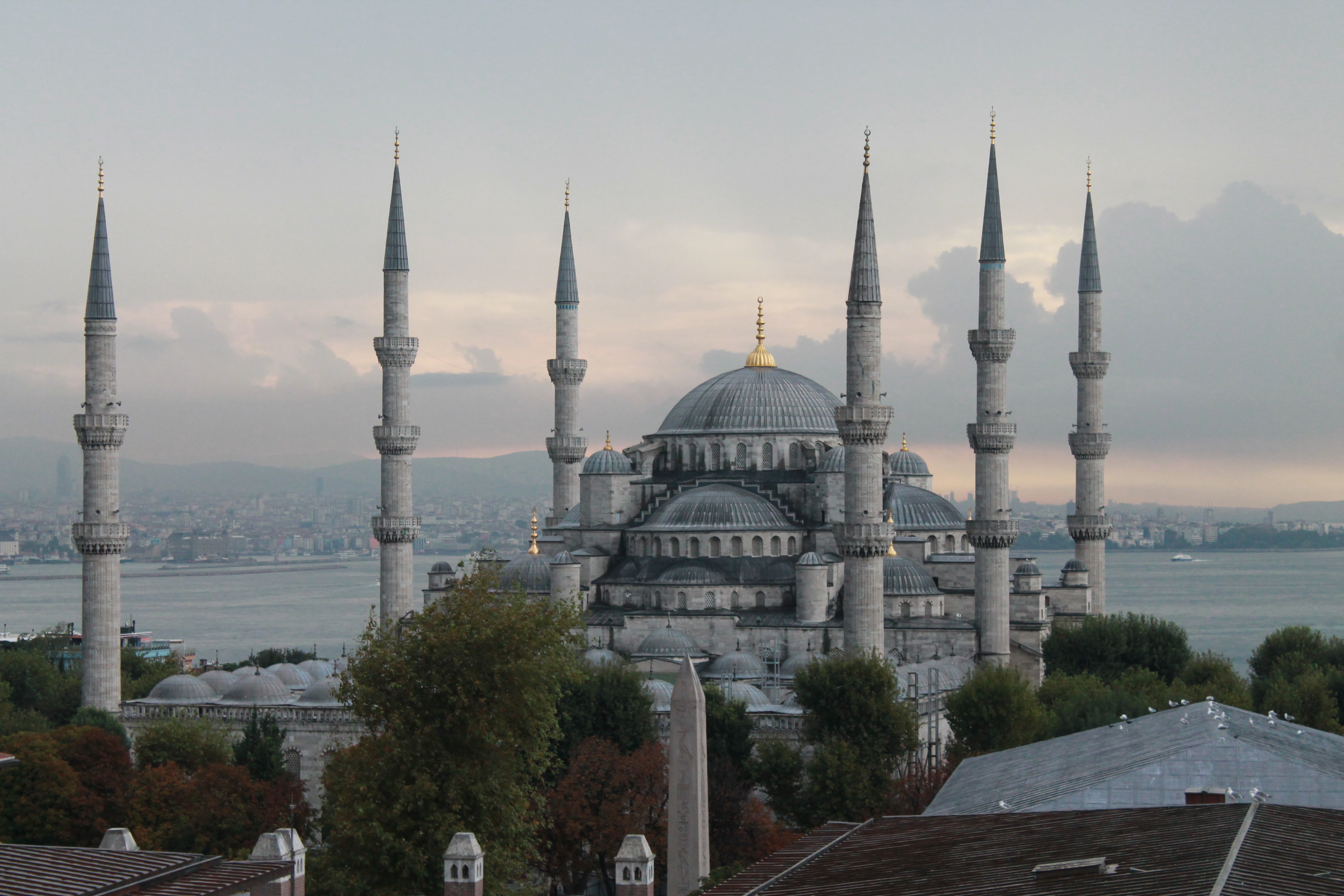
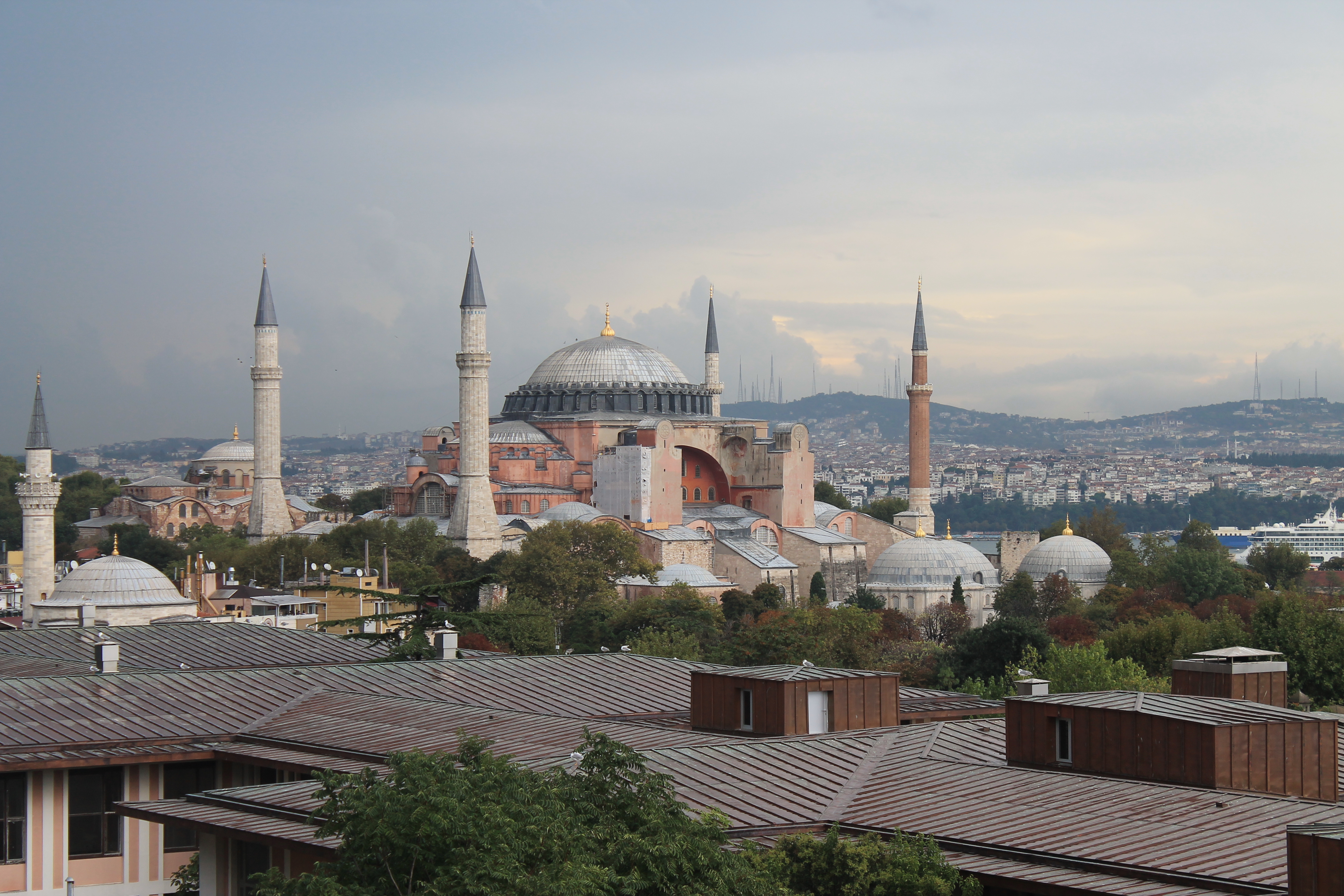
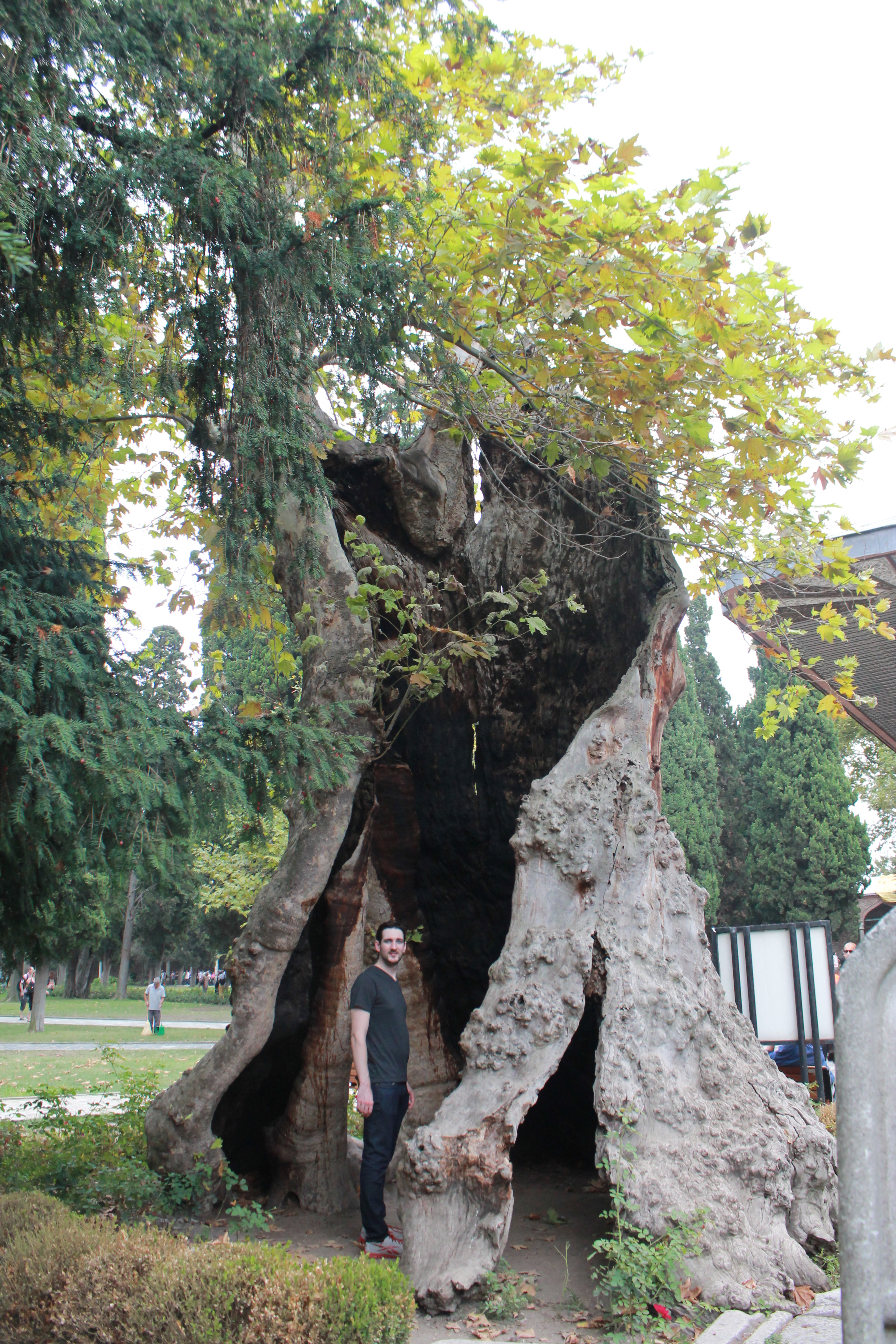

Topkapi Palace was the seat of the Ottoman Empire from the 14th to 19th century. It contained everything the royal family needed to live such as the harem (royal living quarters), kitchens, audience chambers, as well as inner and outer courts for the Sultan to conduct business.
View of the Golden Horn from inside Topkapi Palace:

September 8, 2014: Grand Bazaar, Istanbul University, and Spice Bazaar

 I h
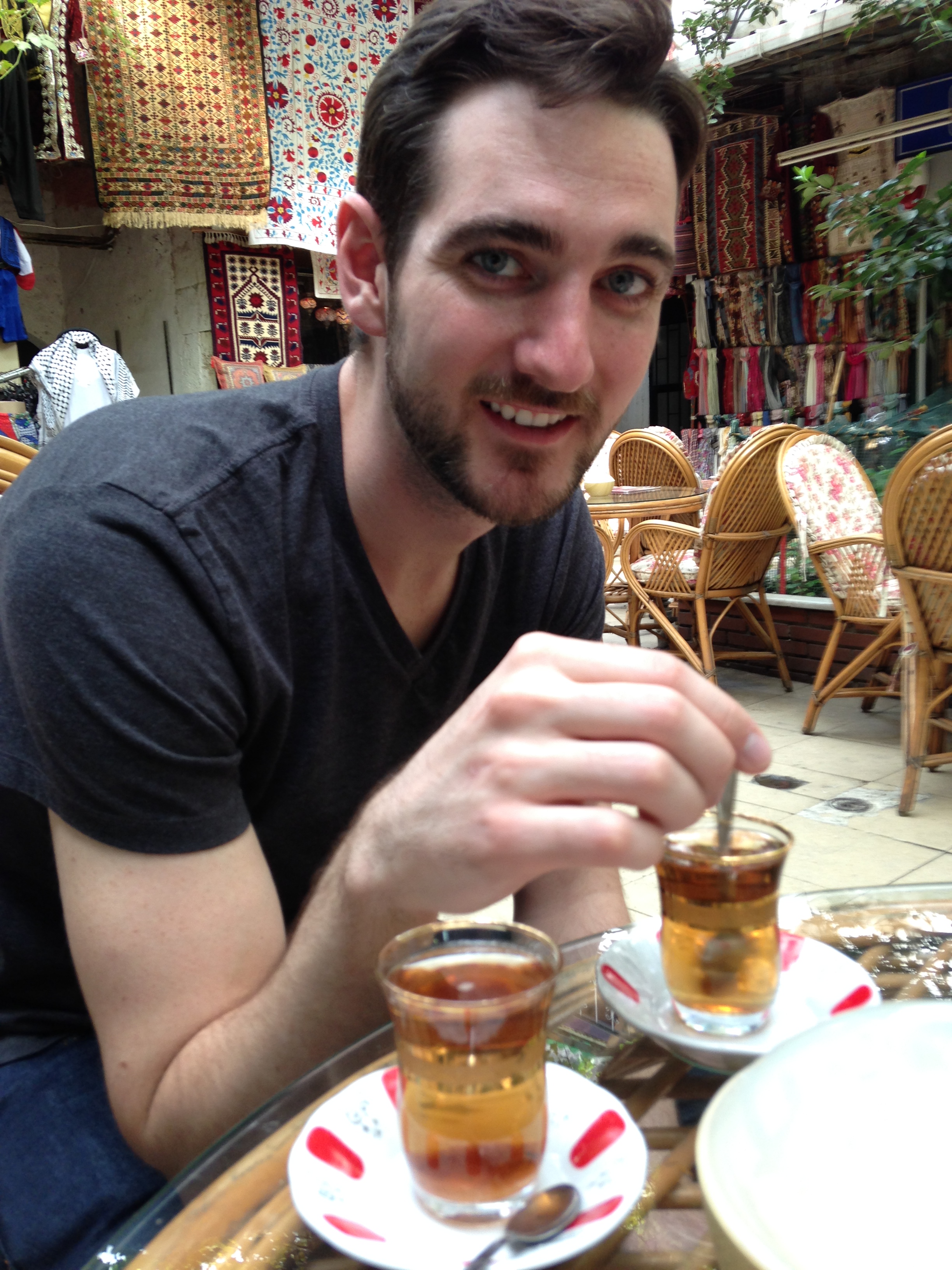
I h ad no idea what to expect from the Grand Bazaar… let’s just say I had envisioned a more Aladdin-esque open air market with dirt floors. I wasn’t disappointed in the brick-and-mortar shopping mall, just surprised. The bazaar is home to approximately 3,000 shops and employs up to 30,000 people. It’s divided into sections such as gold, silver, tourist collections, rugs & textiles, and clothing. The turks are known for their savvy negotiations and treat it like a sport. After the sale was complete, the shop owners loved to chat and practice their English; most were fluent in 4-5 languages!


Unfortunately Istanbul University was under quite a bit of construction during our visit; however, we did enjoy a relaxing afternoon on the grounds observing the students pass by and resting in the shade.
As a self-proclaimed foodie… the Spice Bazaar was a wanna-be-chef’s dream! Turkish Delight, herbal tea, and of course, SPICES! Mounds and mounds of saffron, tarragon, and a plethora of other aromas to tantalize the senses. Cinnamon smelled richer; apple tea more fragrant! As I traversed the “Old Egypt Bazaar” I could sense the smells that wafted these halls for hundreds of years.

I was fortunate to get to go to the Spice Bazaar twice during our stay in Istanbul. Mike and I had a budget for gifts and trinkets to take home and reminded me I had roughly $100 available to spend in Istanbul. Unfortunately, he forgot to keep enough turkish lira on hand for me to use on our last day! Let’s just say I’m quite the “negotiator” when I have only $20 to get everything I want.


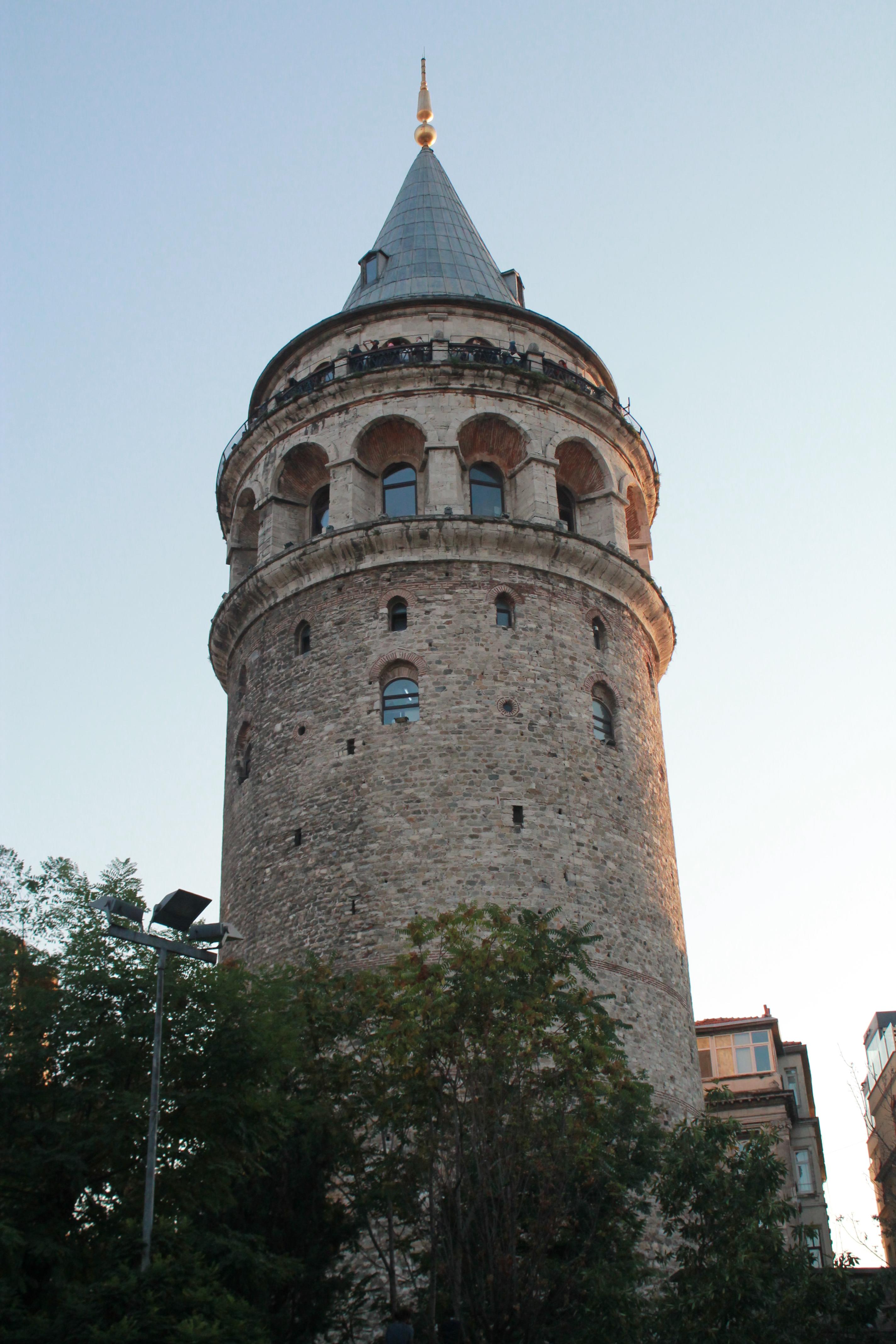
September 9, 2014: Dolmabache Palace (left), Taksim Square, Galata Tower (right)


This was probably one of the most exercise-filled days! We started at Dolmabache palace which comprises the historical Ottoman administration building as well as the residence of the contemporary sultans and their families (Think the White House times four!). I cannot begin to describe the size and magnificence of this edifice: the buildings line the Bosphorus strait and take up 11.2 acres including 285 rooms. It has multiple water gates where foreign dignitaries would be received from their ships. Ironically, the palace is exquisitely decorated only on the side which would be seen by the public; the back side of the palace is constructed of simple rose-colored stucco. Why spend the budget on “unseen” sections when you can really glorify the visible parts. I would love to share every tiny detail with you, but I suggest you check it out on this super credible website, or maybe this one.
The center photo is a mural we stumbled across during our wanderings; it depicts the story of how the Turks used to defend their city. The Turkish navy would hide their ships in the north along the Golden Horn and then tie an iron chain across the strait to prevent foreign navies from entering. The Sultan would then move his ships over dry land via a rolling plank system (as illustrated on the far right of the painting) into the Marmara sea to surprise the enemy. At Dolmabache Palace, the Sultan could sit in a glass viewing room to oversee his ships as they were transported past the palace. It worked for centuries, until modern warfare was discovered.
We spent the evening wandering around Taksim square and the adjacent streets. Taksim square is roughly similar to Time’s Square in NYC and rests at the top of a hill overlooking the surrounding city. It is a bustling urban “park” teeming with all of Istanbul’s people. After grabbing an “Italian” dinner, we walked down a pedestrian-only thoroughfare to check out Galata Tower (right photo). The line was hours long to get inside, so I didn’t get to confirm whether Rapunzel lived there or not…
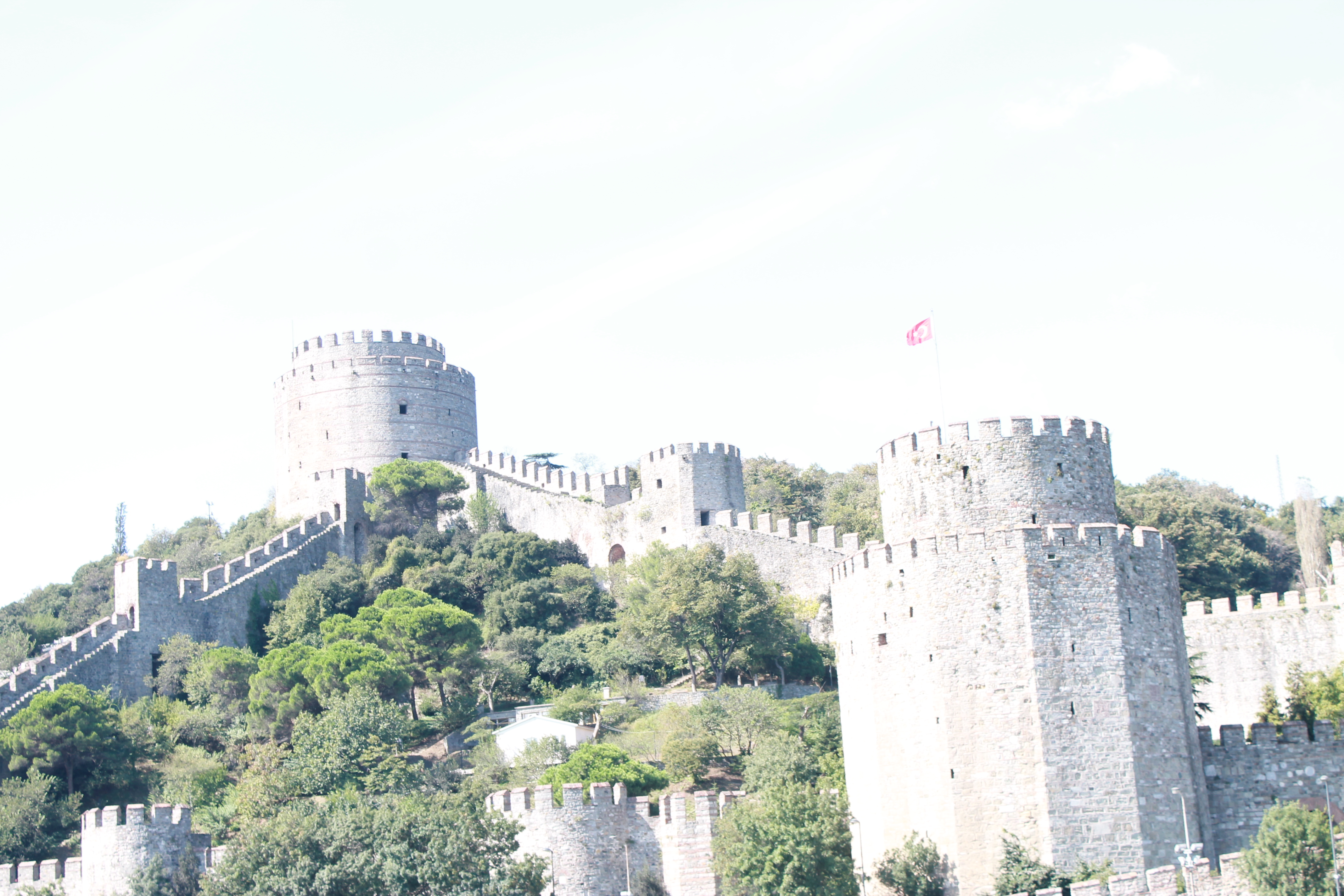
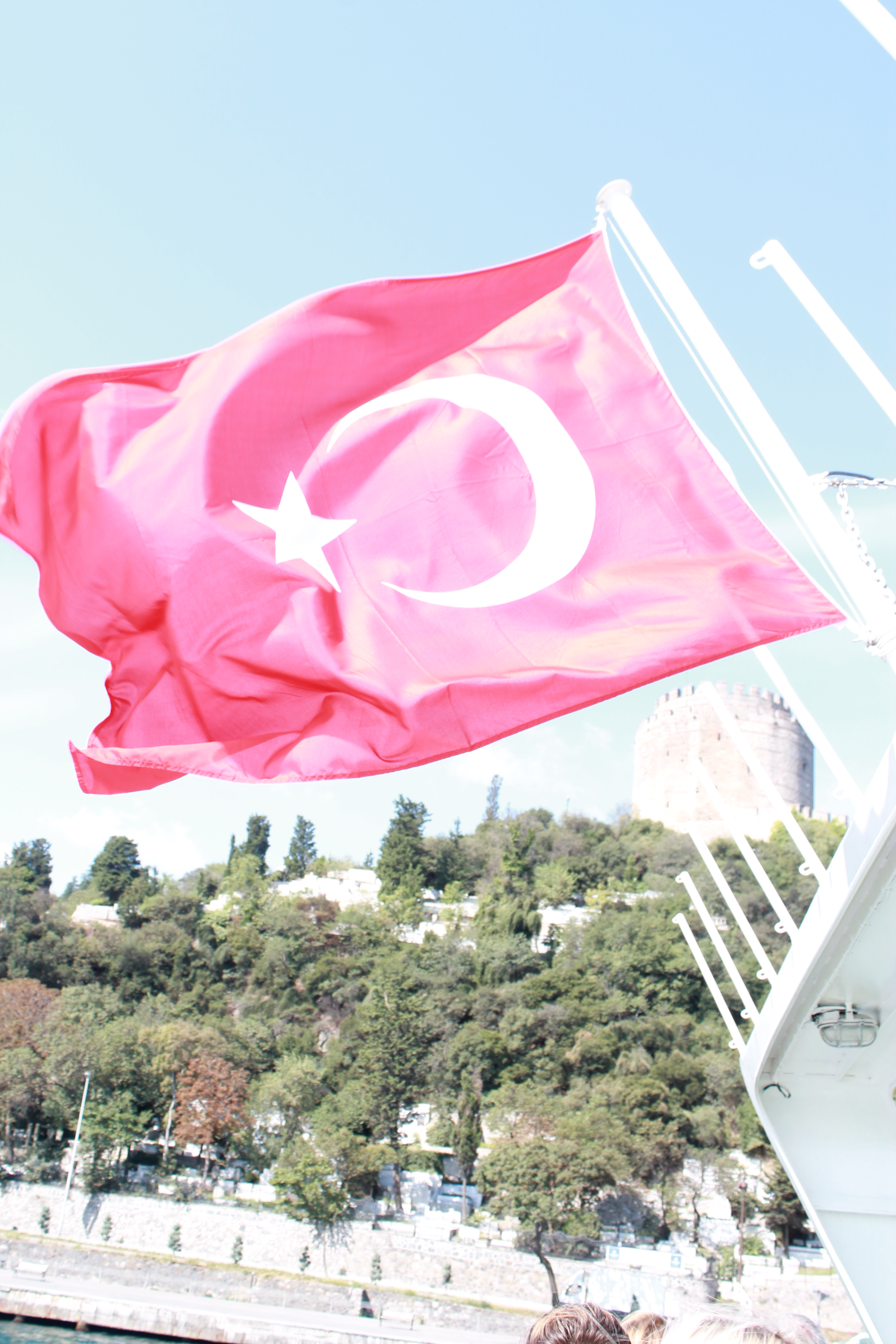
September 10, 2014: a boat cruise on the Bosphorus Strait prior to flying out to Mykonos, Greece


 Hike & Mighty Adventures